
Vicoa
Vicoa
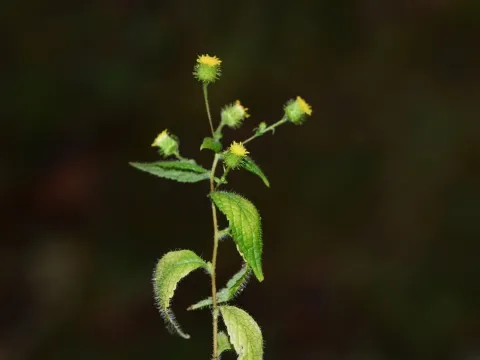
Vicoa is a genus of herbaceous plants belonging to the Asteraceae family. Botanically, it is closely related to Pulicaria, and many species previously classified under Vicoa are now often grouped within that genus.
What the section contains

Vicoa
These plants are native to diverse regions across Asia and Africa, thriving in environments that range from arid zones to regions with seasonal rainfall. They are highly valued for their adaptive capacity to different light and temperature conditions.
Agricultural success with Vicoa depends on providing well-drained, porous soil. The plant does not tolerate waterlogging, which is the most frequent cause of root rot and total plant loss in cultivated fields.
Ideally, the soil should have a neutral pH and be rich in organic matter to support the rapid development of its fibrous root system during the early stages of growth.
The cultural practices require consistent sunlight exposure throughout the growing season. Adequate spacing is essential to ensure proper air circulation, which prevents the development of fungal infections in the lower foliage.
The economic value of Vicoa is primarily found in its pharmacological applications. The plant contains various secondary metabolites, including essential oils and flavonoids that are in high demand.
Yield metrics for Vicoa are measured in terms of dry biomass weight per hectare. High-quality yields are obtained by harvesting during the peak flowering stage, which ensures maximum concentration of active ingredients.
Productivity can be optimized through modern irrigation techniques that prevent moisture stress while avoiding soil saturation. Proper fertilization, focused on balanced NPK ratios, is also crucial for biomass development.
Post-harvest management is a critical step in the value chain. Immediate drying of the aerial parts under controlled conditions is necessary to preserve the volatile compounds that define the product's quality.
Given the increasing interest in natural medicines, the cultivation of Vicoa represents a viable opportunity for farmers looking to diversify into specialty industrial crops.
The primary threats to Vicoa production are soil-borne pathogens, specifically Pythium and Rhizoctonia species, which thrive in poorly drained environments and can devastate young stands.
Insect pests, such as aphids and leaf miners, frequently attack the vegetative parts of the plant. These pests can significantly reduce photosynthetic efficiency and overall plant vigor if not controlled early.
Integrated Pest Management (IPM) strategies are highly recommended for Vicoa. These include the use of beneficial predatory insects and the implementation of crop rotation cycles to disrupt the life cycles of target pests.
Effective weed control is also a fundamental aspect of protection, as weeds compete for essential nutrients and sunlight while acting as hosts for various plant viruses.
Maintaining high field sanitation standards and using certified seeds are the best defense mechanisms against both biotic and abiotic threats in Vicoa cultivation.