
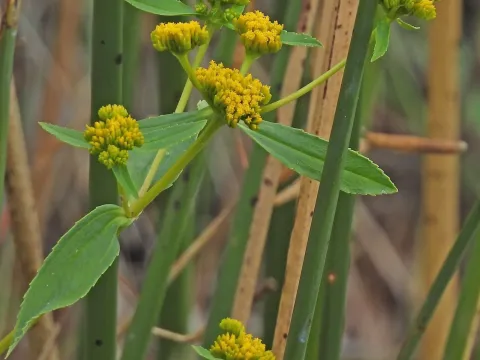
Flaveria bidentis
Flaveria bidentis
Flaveria bidentis is a member of the Asteraceae family, native to South American regions. This herbaceous plant is well-known for its ability to thrive in tropical and subtropical climates, making it a significant species in its natural habitat.
What the section contains
Flaveria bidentis
The plant utilizes C4-photosynthetic pathways, which allows it to remain highly productive even under extreme heat and intense sunlight. This physiological adaptation is a key factor in its rapid colonization of new environments.
Regarding soil requirements, it is adaptable to various types but favors moist, nutrient-rich soils. It often colonizes disturbed habitats, which explains its classification as an invasive weed in many non-native agricultural regions.
Optimal growth depends on high light availability and consistent temperatures. It does not tolerate frost, which dictates the seasonality of its growth cycle in temperate regions of the world.
Agricultural management requires early intervention to prevent seed production. Since it acts as a competitor for water and nutrients, proper field sanitation and herbicide application are necessary to maintain crop yields.
Flaveria bidentis is susceptible to various fungal pathogens, particularly powdery mildew, which can thrive in humid conditions. Managing airflow and humidity is crucial for reducing the risk of these infections.
Common pests such as aphids and spider mites frequently colonize the foliage, causing stunted growth and leaf damage. Early detection is essential for minimizing the impact of these pests on plant health.
Root rots represent a significant threat if drainage is inadequate. Waterlogged soils predispose the root system to fungal attacks, leading to overall plant decline and mortality.
Insects like cutworms can cause mechanical damage to the stems. This damage can stress the plant and reduce its ability to compete with neighboring crops for resources.
Integrated pest management (IPM) strategies, including biological control agents and chemical treatments, are used to keep populations under control in sensitive agricultural areas.