
Ixeridium dentatum
Ixeridium dentatum (Thunb.) Tzvelev
Description
Growing requirements
Ixeridium dentatum is a perennial herbaceous plant belonging to the Asteraceae family. Native to East Asia, it thrives in meadows, mountain slopes, and forest edges, displaying a robust ability to adapt to varying temperate environments.
The plant requires full sun to partial shade for optimal development. Exposure to direct sunlight is essential for the accumulation of secondary metabolites, which are often the primary reason for cultivating this species for medicinal or industrial purposes.
Regarding soil, Ixeridium dentatum prefers well-drained, fertile loams with moderate moisture retention. While it is quite hardy, it does not tolerate waterlogging, which can lead to root degradation during the dormant season.
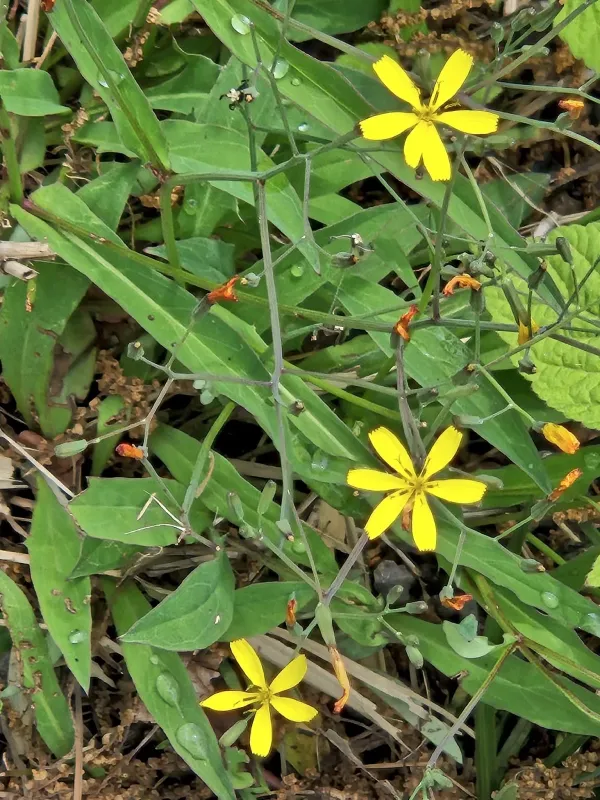
Botanically, it is recognized by its basal rosette of dentate (toothed) leaves and slender stems bearing yellow flower heads. The species reproduces primarily by seed, which should be sown in prepared, fine-textured soil beds during the early spring.
Agricultural interest in this plant is growing due to its chemical profile. It is currently being studied for its potential in creating natural health products, positioning it as a promising niche crop for small-to-medium scale producers.
Main diseases and pests
Powdery mildew is the most common fungal issue, particularly in humid climates where air circulation is restricted. Managing plant density and ensuring proper spacing between rows are crucial preventive measures.
Aphids and spider mites are typical pests that infest the leaves. These pests thrive in dry, warm conditions and can weaken the plants significantly if not monitored during the peak vegetative stage.
Root rot, often caused by poor drainage, remains a significant threat. Ensuring that the soil structure is airy and free from compaction is the best defense against soil-borne pathogens and fungi.
Weed competition is particularly challenging during the establishment phase. As a relatively slow grower in the early stages, manual weeding or careful mechanical cultivation is required to keep the area clear.
Viral infections transmitted by sap-sucking insects can affect the quality of the harvested biomass. Maintaining a clean surrounding area and eliminating alternate weed hosts helps to keep the population of vectors under control.