
Ixeris chinensis
Ixeris chinensis (Thunb.) Nakai subsp. strigosa (H. Lév. & Vaniot) Kitam.
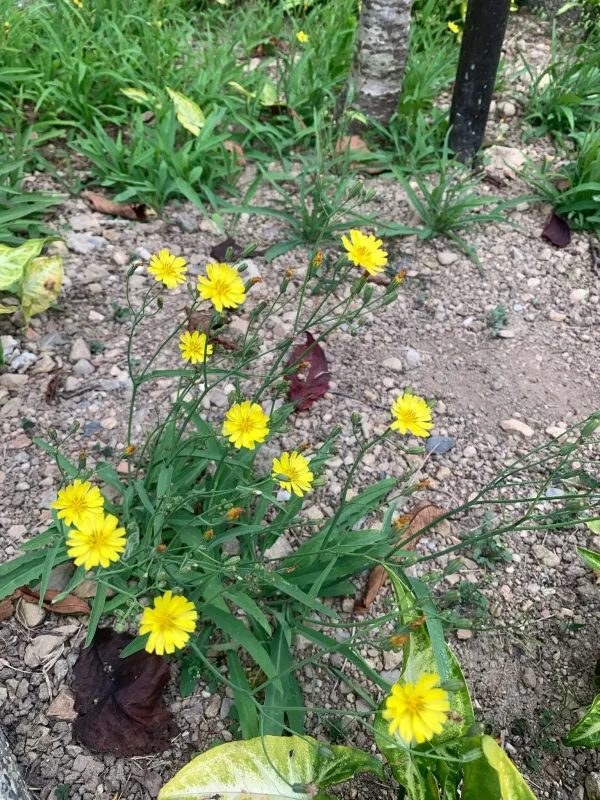
Description
Sowing dates
Ixeris chinensis is a perennial herbaceous plant that is best propagated through seeds sown in early spring when soil temperatures reach stable, warmer levels.
Seed preparation is recommended; stratification can enhance germination rates, especially when dealing with seeds harvested from wild or non-improved populations.
The seeds should be sown in rows with a spacing of 30 to 40 centimeters to ensure adequate space for the development of the leaf rosette and air circulation.
Given the small seed size, they should be sown shallowly, not exceeding 1-2 centimeters in depth, and lightly covered with soil or vermiculite.
Once established, the seedlings exhibit steady growth, but early competition with weeds must be strictly managed to prevent the crop from being choked out.
Growing requirements
Belonging to the Asteraceae family, Ixeris chinensis is highly adaptable to a variety of climates, thriving in temperate to subtropical environments.
This crop requires full sun exposure to reach its maximum photosynthetic potential and to produce the highest levels of beneficial secondary metabolites.
Well-drained, fertile soil is essential, with sandy loam textures being ideal due to their excellent aeration and capacity to prevent root rot.
While the plant shows notable drought tolerance once the root system is deep and established, consistent moisture is necessary during the initial vegetative phase.
The optimal pH range for this crop is slightly acidic to neutral (6.0–7.0), allowing for efficient nutrient uptake and overall plant vigor.
Main diseases and pests
The crop can be susceptible to various pests, including aphids and leaf-eating beetles, which target the foliage and can reduce overall biomass quality.
Fungal pathogens such as powdery mildew represent a significant threat during periods of high humidity or poor field ventilation.
Root rot can occur if soil management is poor, particularly in areas where water tends to pool or where the water table is excessively high.
- Integrated pest management (IPM) is recommended to control insect populations.
- Routine monitoring and sanitation of the growing area prevent disease outbreaks.
- Using crop rotation with non-Asteraceae plants helps break the disease cycle.
Early identification of pest or disease symptoms is crucial for minimizing economic loss through targeted, localized treatments.
Harvesting
The harvest strategy for Ixeris chinensis varies by intent, typically targeting the green biomass for medicinal or culinary purposes during the flowering stage.
Mechanical harvesting is viable if the field is well-leveled, allowing for a clean cut that preserves the crown of the plant for future regrowth.
After harvesting, drying processes must be efficient; shading the produce prevents the degradation of active chemical components by ultraviolet light.
Seed harvesting requires precision as the seeds are equipped with pappi, making them prone to wind dispersal if left on the stalk for too long.
Sustainable harvesting practices ensure that the plant retains enough vigor to provide multiple productive years, maximizing the return on the initial investment.