
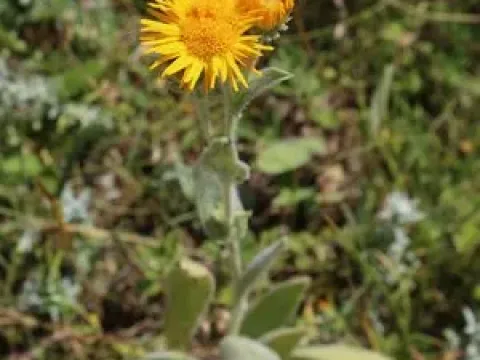
Inula oculus-christi
Inula oculus-christi
The propagation of Inula oculus-christi is typically performed via seeds sown in early spring or through autumn planting to ensure natural stratification in the soil.
What the section contains
Inula oculus-christi
For optimal germination, seeds should be sown at a shallow depth of approximately 1-2 centimeters, maintaining consistent moisture levels until seedlings are established.
Row spacing is generally maintained between 45 to 60 centimeters to facilitate mechanical weed control and improve airflow between plants during the active growth season.
Vegetative propagation by rhizome division is another effective method, especially for small-scale cultivation, ensuring consistent genetic quality of the progeny.
Seed treatment with growth stimulants can significantly enhance early vigor, helping the young plants to compete effectively against weeds in the field.
Inula oculus-christi, a member of the Asteraceae family, thrives in well-drained, fertile loamy soils with a neutral to slightly alkaline pH range.
The plant requires full sun exposure to reach its biological potential, as shade can negatively impact both root biomass and the concentration of essential active compounds.
While the plant shows good drought tolerance once established, consistent moisture is vital during the initial establishment phase for healthy root system development.
The crop is well-adapted to temperate climate zones and demonstrates excellent winter hardiness, provided the soil drainage is adequate during the dormant period.
Proper soil preparation, including the incorporation of organic matter, is essential for sustaining the long-term productivity of this perennial medicinal crop.
Yield components for Inula oculus-christi are heavily influenced by the crop age, with the second or third year typically providing the highest biomass of roots.
The total root yield ranges significantly based on soil fertility and irrigation management, often reaching up to 3 metric tons of dried material per hectare.
Regular maintenance, including keeping the field free of invasive weed species, is a prerequisite for achieving high-quality yields in commercial farming.
Harvest scheduling is critical; waiting for the natural senescence of leaves ensures that energy reserves are properly concentrated within the harvested rhizomes.
Data from test plots suggest that optimized nitrogen and potassium levels in the soil can substantially improve the thickness and density of the root system.
The primary agricultural threats to Inula oculus-christi include fungal pathogens such as powdery mildew, which thrive in stagnant, high-humidity environments.
Root rot remains a concern in poorly drained fields, necessitating precise irrigation control and strategic site selection to mitigate moisture-related risks.
Insect pests, including aphids and leaf-eating beetles, may occasionally attack foliage during the spring growth phase, requiring integrated pest management.
Proactive monitoring of fields is recommended to identify disease outbreaks early, allowing for targeted intervention without widespread chemical application.
- Crop rotation practices to minimize soil-borne pathogen buildup
- Ensuring adequate plant density to promote natural air circulation
- Regular scouting for pest activity during the early vegetative stages
Rhizome harvest is performed in late autumn once the foliage has withered, signifying the completion of the plant's vegetative cycle for the current season.
Mechanical harvesters designed for root crops are ideal for large operations to ensure efficient extraction while minimizing mechanical damage to the rhizomes.
Immediate post-harvest cleaning involves removing soil residues and washing the roots thoroughly, followed by preparation for the drying phase.
Controlled drying is essential, keeping temperatures within a range of 40-50 degrees Celsius to preserve the integrity of the essential oils and bioactive molecules.
Proper storage in dry, cool conditions is necessary to prevent degradation, ensuring the final product remains viable for pharmaceutical or industrial processing.