
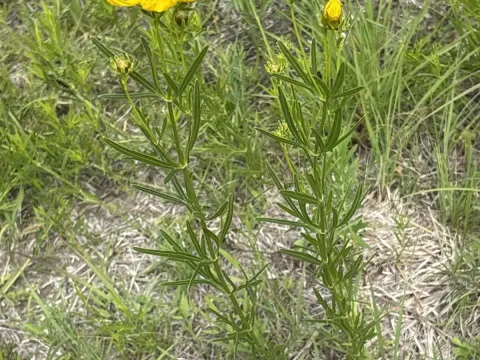
Prairie coreopsis
Coreopsis palmata
Sowing Prairie coreopsis is best done in the spring, once the soil has warmed sufficiently. If starting indoors, seeds should be sown in trays about 6–8 weeks before the last frost date to ensure strong root development before transplanting into the garden.
What the section contains
Prairie coreopsis
When sowing directly into the soil, place seeds at a shallow depth of no more than 0.5–1 cm. Since Prairie coreopsis seeds require light to germinate, covering them with a thick layer of soil will inhibit their ability to sprout successfully.
Fall sowing is an excellent alternative in colder climates, as it mimics the natural stratification process. The winter temperatures break the seed dormancy, leading to vigorous seedling growth as soon as the ground thaws in early spring.
Space the plants approximately 30–40 cm apart to allow for proper airflow and root expansion. Proper spacing is essential to reduce the competition for nutrients and water, as well as to minimize the spread of moisture-related diseases.
Vegetative propagation through division of mature rhizomes is highly effective for maintaining the purity of the variety and helps rejuvenate older, overcrowded clumps, encouraging more abundant flowering in the following season.
Prairie coreopsis, known scientifically as Coreopsis palmata, is an herbaceous perennial native to the North American prairies. It is highly adapted to full sun exposure and is well-suited for landscapes that experience significant seasonal temperature variations.
This plant thrives in well-drained, sandy, or loamy soil types. While it can adapt to various pH levels, it performs optimally in neutral to slightly acidic conditions and requires minimal supplemental fertilization throughout the growing season.
One of the primary environmental requirements for Prairie coreopsis is excellent drainage. The plant is drought-tolerant once established, but it cannot survive in waterlogged soil, which can lead to rapid root rot during dormant periods.
The plant demonstrates remarkable cold hardiness, making it an excellent choice for northern regions. It survives harsh winters by retreating into a dormant root system, which reliably produces new shoots when the environmental triggers are met in the spring.
Ideally, select a planting site that receives at least 6–8 hours of direct sunlight per day. Providing such conditions ensures the plant remains compact and maintains its characteristic profusion of yellow, finger-like foliage and flowers throughout the summer.
Aphids and spider mites are the most common pests affecting Prairie coreopsis, particularly during hot and dry spells. These insects feed on plant sap, and if left unchecked, they can significantly weaken the overall health and vigor of the colony.
Powdery mildew is a common fungal threat that appears as a white, dusty coating on the leaves. It is most prevalent in areas with high humidity, poor air circulation, or overcrowding, making good plant spacing a vital preventative strategy.
Root rot, often caused by poorly drained soil or excessive moisture, is a significant threat that can be fatal to the plant. Ensuring the planting bed is elevated or amended with sand can effectively prevent this issue by allowing water to move away from the crown.
To keep the population healthy, practice regular weeding around the base of the plant to eliminate competition for resources. Removing debris from the garden in the late autumn can also help reduce the overwintering sites for potential insect pests.
When using chemical or biological treatments for pest management, apply them during the early stages of infestation. Always consider the impact on beneficial pollinators, as the nectar-rich flowers of the coreopsis are highly attractive to bees and butterflies.