
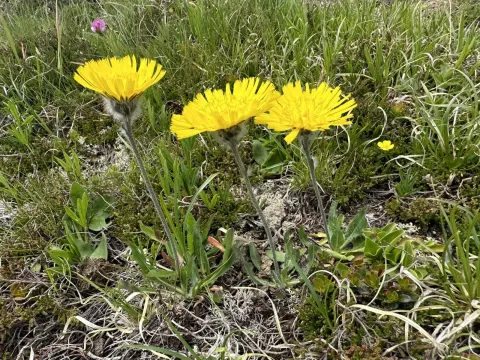
Hieracium piliferum
Hieracium piliferum
Hieracium piliferum is a member of the Asteraceae family, commonly recognized for its adaptation to high-altitude environments. This perennial herb exhibits a specialized morphology designed to withstand the harsh conditions found in alpine and subalpine regions, including extreme temperature fluctuations.
What the section contains
Hieracium piliferum
The botanical profile of the plant is defined by its characteristic hairiness, which serves as a protective layer against environmental stressors. The basal rosettes of leaves and the glandular pubescent stems reflect its evolutionary strategy to conserve moisture and maintain internal physiological stability.
In terms of cultivation requirements, this plant demands excellent soil drainage. It thrives best in rocky, gravelly, or sandy soil compositions. Heavy or waterlogged substrates are detrimental to the plant’s health, as they impede root aeration and significantly increase the risk of pathogens and decay.
Solar exposure is a critical factor for Hieracium piliferum. It requires high light intensity to maintain its structural integrity and reproductive health. Providing an open, sunny location is essential to prevent etiolation and ensure the plant achieves its full seasonal growth potential in controlled environments.
Regarding its utility, while not typically cultivated as a large-scale agricultural commodity, it is valuable in ecological restoration projects and specialized alpine gardening. Management practices focus on minimizing soil amendments, as the plant is naturally adapted to nutrient-poor soils found in its native mountain habitats.