
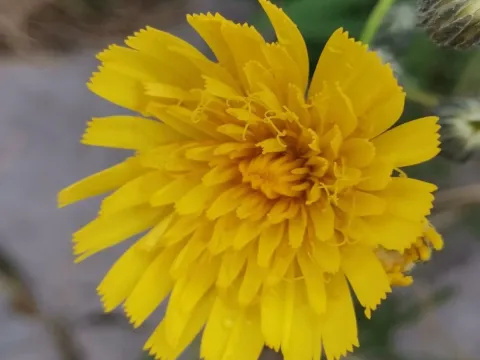
Hieracium glaucum
Hieracium glaucum
Hieracium glaucum, commonly known as a type of hawkweed, is a member of the Asteraceae family. This perennial plant is highly regarded for its ability to thrive in challenging environments, particularly on well-drained, stony or sandy substrates.
What the section contains
Hieracium glaucum
The plant demonstrates remarkable drought resistance, which is facilitated by a robust root system capable of accessing water resources deep within the soil profile. This characteristic makes it a valuable species for low-input agricultural lands.
Optimal growth is observed in regions with temperate climates where the plant receives significant solar exposure. It prefers open areas and is sensitive to heavy shade, which can inhibit its physiological functions and decrease overall biomass production.
Botanically, the plant is distinguished by its glaucous (bluish-grey) foliage and bright yellow flower heads. These traits are adaptations that help the plant minimize water loss through transpiration, allowing it to survive in arid conditions.
From an agricultural standpoint, it serves primarily as a ground cover plant for soil stabilization. Its usage in field crops is limited, but it is frequently integrated into land management programs aimed at mitigating erosion on degraded slopes and marginal terrains.
Like many species in the Asteraceae family, this plant is susceptible to powdery mildew, especially during seasons characterized by high atmospheric humidity and poor air circulation within the canopy.
Root rot represents a significant threat when the plant is grown in areas with poor drainage. Waterlogging creates anaerobic conditions in the root zone, which facilitates the growth of pathogenic fungi and often leads to the decline of the plant population.
Aphids are the most common pests, frequently colonizing the flower stalks and developing buds. Their feeding activity can significantly stress the plants, potentially reducing their vigor and overall productivity throughout the growing season.
Rust diseases can also occur on the leaves, usually appearing towards the end of the vegetative cycle. Proper management, including the removal of infected foliage, is essential to limit the spread of these pathogens across the plot.
Weevil populations can damage the seeds during the maturation phase, which complicates the natural regeneration of the species. Monitoring and early intervention are critical to maintaining healthy seed yields in cultivated areas.