
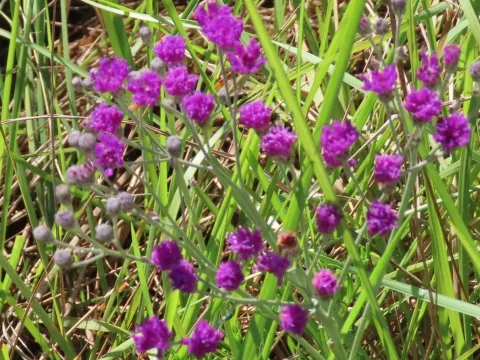
Hilliardiella
Hilliardiella
The genus Hilliardiella belongs to the Asteraceae family and consists of perennial herbs and subshrubs native to various regions of tropical and Southern Africa.
What the section contains

Hilliardiella
These plants are naturally adapted to dry, sunny environments, typically thriving on rocky outcrops or well-drained sandy soils in open savannah landscapes.
To successfully cultivate this species, it is critical to mimic its natural environment by providing full sun exposure and a substrate that prevents water stagnation.
Hilliardiella species possess deep root systems that allow them to endure periods of low rainfall, making them relatively drought-tolerant once fully established.
Temperature management is crucial, as these plants generally require warmth and are highly susceptible to frost damage, which can kill the entire root system.
The primary health threats to Hilliardiella are fungal infections caused by overly moist conditions, particularly root rot, which can occur during humid growing seasons.
Pests such as spider mites and mealybugs often target these plants, especially when grown in indoor or greenhouse environments with low air movement.
Leaf spot diseases can manifest when environmental conditions are suboptimal, leading to a decline in the overall vigor and health of the plant.
Effective pest management involves regular monitoring of the foliage and ensuring optimal drainage to maintain root health throughout the lifecycle.
Avoid overhead irrigation as it increases leaf humidity, providing an ideal environment for the proliferation of various pathogenic fungi and spores.