
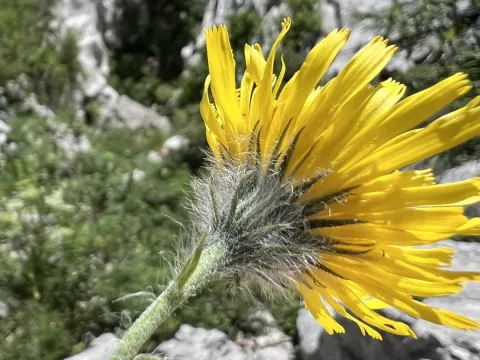
Hieracium scorzonerifolium
Hieracium scorzonerifolium
Hieracium scorzonerifolium belongs to the Asteraceae family. It is a perennial herbaceous plant that thrives in well-drained, rocky, or sandy soils with moderate moisture levels.
What the section contains
Hieracium scorzonerifolium
This crop is characterized by high adaptability to mountainous and sub-mountainous climates. The plant withstands significant temperature fluctuations and requires adequate sunlight to produce sufficient vegetative mass.
For successful cultivation, fields with neutral to slightly acidic soil pH are ideal. Proper soil drainage is crucial, as the root system of this plant is sensitive to waterlogging, which can lead to root decay.
Botanically, the plant forms a compact clump with a basal rosette of leaves, resembling those of scorzonera. The flowering stems reach a height of 30–50 cm, topped with characteristic yellow ray florets typical of the genus.
Agronomic management requires diligent weed control during the early stages of development, as Hieracium grows slowly during the first year and is easily suppressed by more aggressive weeds.
The primary agricultural use of this plant is as a component of natural pasture forage. It offers decent nutritional value, especially during the budding phase when protein and mineral content are at their peak.
In traditional herbal practices, certain hawkweed species are utilized for their antiseptic and choleretic properties, although commercial use of H. scorzonerifolium remains relatively specialized.
Total green mass yield is directly related to stand density and local climate conditions. Under optimal conditions, the plant forms a dense sod capable of withstanding moderate livestock grazing pressure.
The crop is considered a potential candidate for land reclamation projects or the establishment of naturalistic meadow lawns due to its low-maintenance nature.
Peak biomass output is usually observed in the second or third year after establishment. Supplementary phosphorus and potassium fertilizers are recommended to stimulate regrowth after mowing or grazing cycles.
Like many members of the Asteraceae family, Hieracium scorzonerifolium is susceptible to powdery mildew, particularly in seasons characterized by high humidity and limited sunlight exposure.
Root rot represents a significant threat when cultivation standards are neglected, specifically when choosing sites with excessive moisture and poor drainage systems.
The most common pests include various aphid species that feed on the sap of young leaves and flower stalks, reducing both plant productivity and overall winter hardiness.
In dense stands, the spread of rust fungi, characterized by orange pustules on leaves, is possible. Preventive measures include crop rotation and the timely removal of diseased plant residues.
Pest management strategies should prioritize ecological safety, favoring biological control methods when the crop is integrated into active pasture systems.