
Himalaiella
Himalaiella
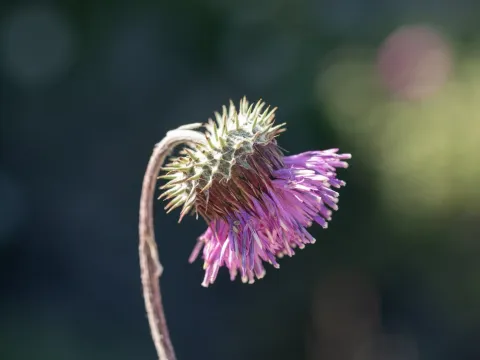
Himalaiella is a genus of flowering plants belonging to the Asteraceae family. These plants are known for their resilience and are native to high-altitude regions, primarily within the Himalayas and surrounding mountain ranges.
What the section contains

Himalaiella
Botanically, they are characterized by their adapted structure designed to survive in rocky, alpine environments. Their growth cycle is closely tied to the short mountain summers, which influences their nutrient uptake and developmental stages.
In terms of soil requirements, Himalaiella demands well-draining, loose substrates. They are highly sensitive to moisture stress and root rot, so incorporating gravel or sand into the soil mixture is a standard agricultural practice.
The climate requirements for this genus include cool to moderate temperatures and high light intensity. They are adapted to strong solar radiation, and providing adequate sunlight is essential for maintaining their typical morphological traits.
The economic use of Himalaiella is specialized. While some species are used in traditional herbal medicine, others are researched for their secondary metabolites, contributing to both botany and potential pharmaceutical applications.
The primary threats to Himalaiella include various fungal pathogens that thrive in poorly ventilated areas or under conditions of high humidity. Preventing stagnant water around the root zone is the most effective way to avoid these issues.
Insect pests such as aphids and spider mites can pose a significant threat during periods of dryness. These pests can damage the foliage and stunt the overall development of the plants if left unchecked.
Root-knot nematodes can also be a hidden threat, especially when growing the plants in recycled substrates. Proper soil sterilization or the use of clean planting media is essential for long-term health.
Integrated pest management strategies involve monitoring for early signs of infestation and utilizing biological control agents wherever possible to maintain the purity of the plant material.
Ultimately, keeping the environment close to their natural alpine habitat is the best defense against pests and diseases, as healthy plants possess robust natural resistance mechanisms.