
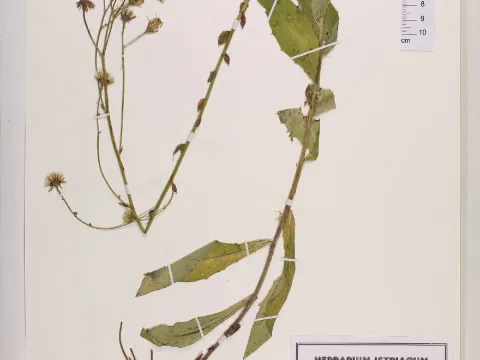
Hieracium brevifolium
Hieracium brevifolium
Hieracium brevifolium, commonly known as a type of hawkweed, is a perennial herbaceous plant belonging to the Asteraceae family. This species is recognized for its adaptability to various temperate climate conditions and its ability to thrive in challenging soil environments.
What the section contains
Hieracium brevifolium
The origin of the species is linked to the grassland ecosystems of Eurasia. It prefers well-drained, nutrient-poor soils where competition from taller or more aggressive agricultural crops is minimized, allowing it to establish a strong root system over time.
Botanically, it is characterized by its basal leaf rosettes and upright flowering stalks. The leaves are typically short, as the specific epithet implies, and often feature pubescence that serves as a protective mechanism against intense sun and wind exposure.
Climatic requirements are moderate, with the plant favoring cool to warm temperatures during the active growth phase. It displays significant frost resistance, which allows it to remain a viable part of the ground cover throughout the changing seasons.
Agricultural management requires attention to soil structure. Since the plant is sensitive to waterlogging, sandy or loamy soils are ideal. Proper irrigation management is necessary during the establishment phase, while established plants are quite drought-tolerant.
Common threats to this crop include powdery mildew, which can significantly inhibit photosynthesis during humid and overcast weather. Managing airflow between plants is essential to reducing the risk of fungal outbreaks in dense plantings.
Pests such as aphids are frequent visitors that damage the terminal buds and leaves. Their feeding activities cause stunted growth and can transmit viral diseases that are difficult to control once they have established themselves in the field.
Insects like weevils may also pose a risk by targeting the root system or the base of the stem, potentially causing the collapse of the plant. This is particularly problematic in monoculture settings where populations of these pests can build up quickly.
Weed encroachment represents a constant struggle for Hieracium brevifolium due to its relatively low growth habit. Regular weeding and maintaining optimal plant spacing are recommended to ensure the crop has access to sufficient sunlight and soil nutrients.
A preventative approach is most effective when managing these threats. This includes maintaining soil fertility through organic amendments, avoiding over-fertilization with nitrogen, and using scouting techniques to identify early signs of pest infestation.