
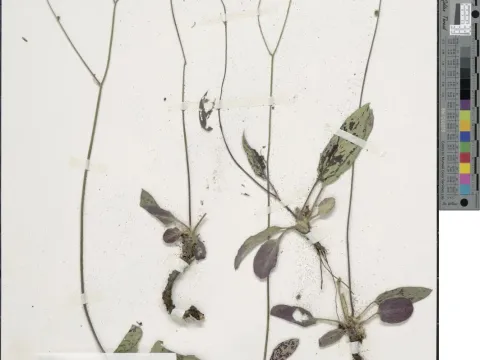
Hieracium pictum
Hieracium pictum
Hieracium pictum is a perennial herb that propagates mainly through seed dispersal. In natural habitats, seeds ripen in late summer and are distributed by wind, utilizing their pappus to travel long distances from the parent plant.
What the section contains
Hieracium pictum
For cultivation purposes, seeds should be sown in late autumn or early spring. Stratification of seeds for several weeks often improves germination rates, ensuring a uniform emergence of seedlings across the field.
Seeds are extremely small and should be sown on the surface of the soil with minimal covering, not exceeding a few millimeters. Maintaining consistent soil moisture during the initial germination phase is critical for successful establishment.
Spacing should be managed to ensure each plant has enough room to develop its characteristic basal rosette. Overcrowding can lead to competition for nutrients and increased susceptibility to fungal diseases.
Once established, the plants form a robust root system that helps them compete with surrounding vegetation. Proper early-stage weeding is essential to prevent weeds from suppressing the initial development of the crop.
As a member of the Asteraceae family, Hieracium pictum is well-adapted to various soil types but performs best in well-drained, sandy, or light loamy soils. It thrives in soils with neutral to slightly acidic pH levels.
The plant requires ample sunlight to develop its unique foliage patterns and to sustain healthy growth. While it can tolerate partial shade, full sun exposure is preferred for maximum vitality and reproductive success.
Climatic conditions should be moderate. The plant shows high resilience to cold temperatures and is capable of surviving harsh winters, making it a reliable perennial in temperate climates.
Water requirements are moderate; however, regular irrigation is beneficial during prolonged dry spells. Excessive soil moisture should be avoided as it can cause root rot, especially in poorly drained areas.
Soil fertility is usually sufficient in natural environments, but supplementary minerals can be provided if growth is stunted. Avoid over-fertilizing with nitrogen, which can lead to excessive green growth and reduced plant hardiness.
Hieracium pictum is susceptible to common fungal pathogens such as powdery mildew, which appears as a white dust on the leaves. High humidity and poor airflow are the primary triggers for these infections.
Insect pests, including aphids and leaf beetles, can occasionally cause damage by feeding on tender foliage and floral parts. These pests are particularly active during the rapid growth phase in late spring.
Management strategies involve keeping the planting area clean and removing any infected foliage immediately upon detection. Pruning for better air circulation is a simple yet effective preventative measure.
If chemical interventions are necessary, organic or biological insecticides should be prioritized to maintain the ecological balance of the site. Always follow the specified application rates and harvest intervals.
Regular monitoring of the plants allows for early detection of potential threats, ensuring that damage remains localized and preventing widespread issues throughout the crop.
Seed harvesting should be performed when the seed heads are fully mature but before they naturally release their seeds. Harvesting at the right time ensures higher germination viability for future plantings.
For ornamental or research purposes, the above-ground biomass is best harvested during the peak flowering stage. This timing captures the highest concentration of metabolites and nutrients within the plant tissues.
Drying the harvested material is a critical process that should take place in a shaded, well-ventilated location. Rapid drying helps preserve the plant's essential properties and natural appearance.
Once dried, the materials should be stored in cool, dark, and dry conditions. Proper packaging prevents moisture accumulation and protects the dried harvest from pests during long-term storage.
After the harvest is complete, removing spent flower stalks helps the plant reallocate energy to its root system, strengthening it for the next growing season or the dormant winter period.