
Hidalgoa
Hidalgoa
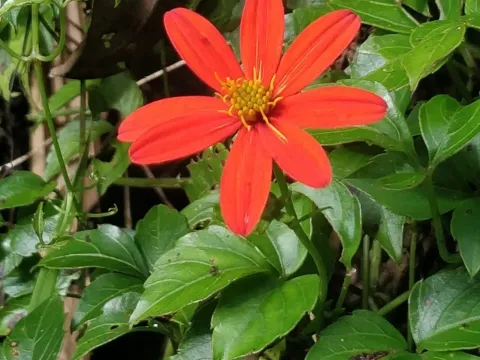
Hidalgoa is a genus of climbing plants belonging to the Asteraceae family. The most prominent member, Hidalgoa ternata, is widely known as the "climbing dahlia" because of its floral resemblance to the genus Dahlia.
What the section contains

Hidalgoa
Native to the tropical forests of Mexico and Central America, the plant exhibits a vine-like habit. In agricultural or horticultural settings, it requires structured trellises or supports to facilitate its vertical growth pattern.
The plant thrives in warm, humid conditions. It is highly sensitive to frost and cold, requiring temperatures consistently above +15°C to maintain healthy physiological processes and active growth.
Soil requirements include a nutrient-rich, well-draining medium. Peat-based or loam-based composts with added perlite are recommended to ensure aeration and prevent the waterlogging that often leads to root issues.
Hidalgoa requires bright, filtered sunlight to bloom effectively. While it loves warmth, intense direct sun can scorch its delicate foliage, making partial shade during the peak of the afternoon an ideal condition.
Spider mites are the most significant pest for Hidalgoa, particularly in indoor or greenhouse environments. These pests thrive in dry conditions and can be mitigated through regular misting and targeted acaricide applications.
Aphids frequently colonize the tender new growth of the vines. Regular inspections and the use of insecticidal soaps or systemic pesticides are effective strategies for managing their populations.
Root rot is a major disease risk, typically caused by overwatering or poor drainage. Ensuring the substrate dries out slightly between waterings is essential to maintaining a healthy root system.
Powdery mildew can infect leaves if air circulation is inadequate. Promoting good airflow and using fungicidal sprays containing sulfur or neem oil can help protect the plant's health.
Root-knot nematodes can pose a threat if the soil is contaminated. To prevent infection, growers should use pasteurized potting mixes and maintain strict hygiene practices in the gardening area.