
Heterothalamus
Heterothalamus
Heterothalamus is a genus of perennial shrubs belonging to the Asteraceae family. Native to South America, particularly common in Brazil, Uruguay, and Argentina, these plants are well-adapted to diverse ecological niches ranging from rocky landscapes to open grasslands.
What the section contains
Heterothalamus
The crop thrives in sunny, well-lit environments and is known for its remarkable resilience to heat and prolonged dry spells. These traits make it a candidate for cultivation in regions where water availability is restricted and standard crops often fail.
Regarding soil requirements, Heterothalamus prefers well-drained, porous substrates. It performs exceptionally well in sandy or rocky soils, as these types prevent root suffocation, which is essential for the plant's long-term health and growth vigor.
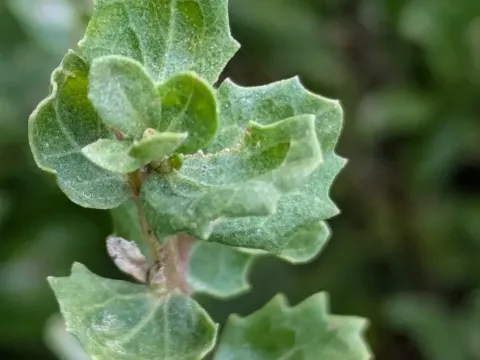
Botanically, the plant features dense, branched stems with small leaves, an adaptation designed to reduce transpiration. This morphological structure allows the shrub to conserve moisture during periods of intense heat, demonstrating significant physiological efficiency.
In terms of хозяйственное usage, the plant is valued for soil stabilization and environmental restoration projects. Furthermore, its potential as a medicinal resource continues to be explored in modern pharmacognosy due to the secondary metabolites found within its foliage.
The primary threat to the health of Heterothalamus is waterlogging, which often leads to root rot and other systemic fungal infections. Ensuring proper drainage is the most critical management practice to maintain a productive and healthy stand of these shrubs.
Insects such as aphids and spider mites are frequent pests that infest young growth. These pests extract sap, which can stunt development and diminish the overall health of the plant if left unchecked by integrated pest management strategies.
Fungal diseases like powdery mildew may appear if the planting density is too high, leading to poor air circulation within the shrub canopy. Reducing overcrowding and ensuring sufficient spacing between plants are effective preventive measures for these issues.
Root-damaging beetles can occasionally pose a threat in the nursery or early establishment phase. Regular monitoring of the soil and plant base is necessary to catch any potential infestations before they become widespread across the field.
Finally, maintaining a balanced nutrient profile in the soil helps the plant sustain its natural defenses against opportunistic pathogens. Avoiding excessive nitrogen fertilization, which can create overly succulent growth, is recommended to discourage pest colonization.