
Sinacalia
Sinacalia
Sinacalia is a genus of perennial flowering plants belonging to the Asteraceae family. These plants are closely related to the Senecio genus and are recognized for their distinct inflorescence structures which differentiate them taxonomically.
What the section contains

Sinacalia
The native distribution of Sinacalia is centered in East Asia, particularly within China, where they inhabit mountainous terrain. These regions provide the plant with the specific thermal and moisture conditions necessary for its growth cycle.
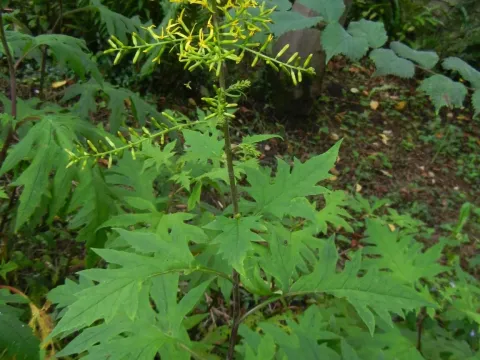
Botanically, Sinacalia displays characteristic features of the Asteraceae family, including compound inflorescences and simple or lobed foliage. The plants generally exhibit a vigorous growth habit, suitable for landscaping in suitable hardiness zones.
Regarding soil and site requirements, Sinacalia prefers well-drained, nutrient-rich soils with a neutral pH. Proper soil aeration is crucial, as the root system is highly sensitive to waterlogging, which often results in rapid decline.
The agricultural and horticultural utility of Sinacalia is focused on its ornamental value. Its ability to provide structural interest and late-season blooms makes it a desirable plant for gardens and specialized green spaces.
The health of Sinacalia is primarily challenged by fungal diseases such as powdery mildew, especially during seasons with high humidity and stagnant air conditions.
Pests including aphids and spider mites may infest the plant during prolonged dry spells, targeting the nutrient-rich tissues of the growing tips and underside of leaves.
Root rot remains the most critical threat to the longevity of the plant, often induced by improper drainage systems or over-irrigation in heavy clay-based soils.
Integrated pest management protocols, including manual removal of infested parts and the use of targeted biological controls, are recommended for maintaining a healthy stand.
Cultural practices such as proper spacing and seasonal sanitation of the site are essential to prevent the buildup of pathogens and ensure optimal physiological development.