
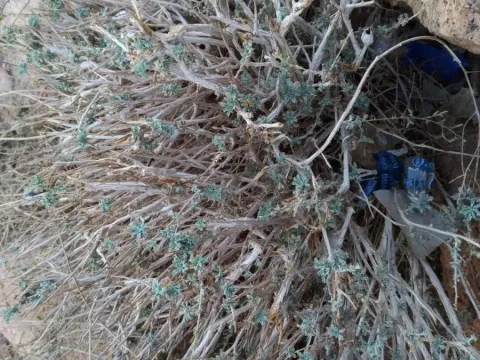
Sinai tansy
Tanacetum sinaicum
Sinai tansy (Tanacetum sinaicum) is a resilient perennial herbaceous plant belonging to the Asteraceae family. Its natural distribution is restricted to the arid, rocky habitats of the Sinai Peninsula, where it has evolved to thrive in harsh environments with minimal nutrient content.
What the section contains
Sinai tansy
In a farming context, seeds are typically sown in early spring. The seeds are very small and require a fine, well-prepared seedbed to ensure proper contact with the soil. They should be sown shallowly, as they need exposure to light to trigger the germination process.
Optimal germination occurs when temperatures remain consistently between 15 and 20 degrees Celsius. In industrial settings, precision seeders are used to maintain a consistent spacing of 20–30 centimeters between plants, ensuring adequate airflow and space for root development.
If starting indoors, seedlings should be hardened off before being transplanted to the field. This stage is crucial to ensure that the plants are robust enough to withstand the direct sunlight and variable humidity levels typically encountered in open-field cultivation.
Due to its slow initial growth rate, weed control during the establishment phase is essential. Cultivators often use organic mulch, such as pea gravel or crushed stone, which suppresses weeds and mimics the natural rocky terrain of the plant's native range.
The primary requirement for successful Sinai tansy cultivation is full sun exposure. The plant requires at least 8 to 10 hours of direct sunlight daily to maintain the metabolic activity necessary for the production of its signature essential oils.
Soil drainage is of paramount importance. The species is highly susceptible to root rot if placed in heavy, moisture-retaining soils. Ideally, the substrate should be composed of sandy loam or stony soil with an excellent capacity to drain excess water rapidly.
As a xerophytic plant, Sinai tansy is highly efficient at water management. In field conditions, it requires very little irrigation once the root system is established. Frequent rainfall or heavy watering cycles are generally detrimental to plant health.
The plant performs best in neutral to slightly alkaline soil conditions. It is relatively indifferent to nutrient levels, often thriving in soils that would be considered too poor for traditional cereal or vegetable crops. High-nitrogen fertilizers should be strictly avoided.
Temperature fluctuations are generally tolerated well, though the plant is sensitive to extremely humid, cold winters. In regions with freezing temperatures, it is advisable to provide frost protection or to grow the species in protected structures or greenhouses.
Harvesting should be timed to coincide with the peak flowering period. During this time, the concentration of aromatic compounds in the flower heads is at its absolute maximum, providing the best quality for essential oil extraction.
The harvesting process involves cutting the floral stems shortly before the individual florets begin to lose their vibrant color. Mechanical harvesting is preferred on a large scale, using specialized equipment that preserves the integrity of the flower heads.
Post-harvest handling must be done with extreme care to avoid mechanical damage. The harvested material is highly volatile; therefore, it should be moved to the processing facility or drying site as quickly as possible to prevent degradation.
Drying is performed in climate-controlled rooms with high air circulation. It is critical to maintain temperatures below 40 degrees Celsius to prevent the loss of sensitive terpenes and other active botanical constituents that give Sinai tansy its value.
Once dried to a moisture content of approximately 10 percent, the material is ready for milling or extraction. Proper storage in vacuum-sealed or opaque containers is necessary to maintain the shelf life and potency of the final product for industrial applications.