
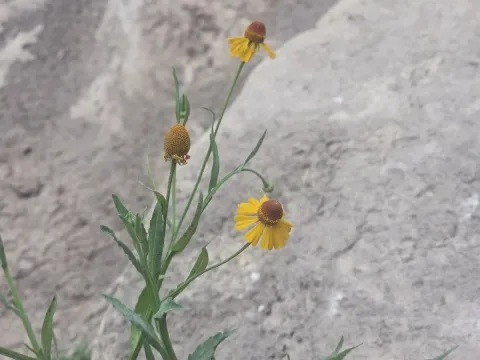
Helenium quadridentatum
Helenium quadridentatum
Helenium quadridentatum belongs to the Asteraceae family and is an interesting species for various decorative purposes. Sowing is typically performed in the spring once the ground has warmed up.
What the section contains
Helenium quadridentatum
The seed-starting method is common to ensure better success rates, especially in colder climates. Seeds are sown in trays during March and require consistent moisture for optimal germination.
When sowing, cover the seeds with a very thin layer of soil, as they often require some light to germinate effectively. Maintain a temperature range of 15-20 degrees Celsius during the initial stages.
Transplanting into the garden bed is performed after the risk of frost has passed. Ensure each plant is spaced adequately to allow for healthy growth and expansion of the root system.
Regular watering after transplantation is essential to help the seedlings establish themselves. Once settled, they develop into strong plants capable of robust growth throughout the season.
This species thrives in full sun, which is crucial for producing a profuse number of blooms. Shaded conditions lead to weak stems and a significantly reduced floral display.
Soil requirements include well-drained, fertile soil with a slightly acidic to neutral pH. Proper soil preparation before planting is necessary to ensure long-term health and vigor.
Water management is critical during the active growing phase. While they are moderately hardy, consistent soil moisture prevents the plants from experiencing stress during summer droughts.
Feeding the plants with balanced fertilizers promotes continuous flowering. It is recommended to apply nutrients before the peak bloom season to maximize the plant's potential.
The plant demonstrates good climatic adaptation, though providing a layer of organic mulch during winter helps protect the roots in regions with severe temperatures.
Pests such as aphids are the most common issue for this crop. They tend to cluster on the undersides of leaves and on developing buds, draining the plant's essential nutrients.
Fungal diseases like powdery mildew can occur if the plant is grown in areas with high humidity and poor air circulation. This appears as a powdery white coating on the leaves.
Effective management involves consistent monitoring and the application of appropriate fungicides when necessary. Removing infected foliage promptly helps to prevent further spread.
Root health is vital, and soil-borne issues can be mitigated by ensuring proper drainage. Overwatering is a primary cause of root rot, so careful attention to soil moisture is required.
Using integrated pest management practices allows for a balanced approach to keeping the plants healthy while maintaining the ecosystem in the garden.
The harvest phase for Helenium quadridentatum is primarily aimed at flower production for decorative arrangements. Stems are cut when the blooms are partially open for best durability.
Deadheading spent flowers is a standard agricultural practice for this species. It prevents seed production and encourages the plant to put more energy into forming new flower buds.
At the end of the growing season, the stems should be cut back close to the ground. This helps the plant enter dormancy successfully and prepares it for the next spring cycle.
If harvesting seeds for propagation, wait until the seed heads are completely dry and brown. Collect them on a dry day to prevent mold from developing during storage.
Properly dried seeds should be stored in airtight, cool containers. This maintains high viability for the next planting season, ensuring the continued success of the crop.