
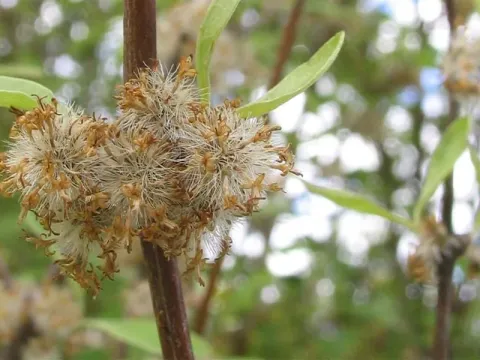
Hector's Tree Daisy
Olearia hectori
Olearia hectori, commonly known as Hector's Tree Daisy, is a distinctive shrub belonging to the Asteraceae family. It is native to New Zealand and is recognized for its unique, silvery foliage and subtle flowers.
What the section contains
Hector's Tree Daisy
This evergreen or semi-evergreen shrub is structurally hardy, making it a valuable addition to landscape architecture. Botanically, it is classified by its rigid branches and persistent leaves that retain their decorative value throughout the year.
The plant requires well-drained, fertile soil to thrive. It is particularly sensitive to waterlogging, which can compromise root health and lead to severe growth stagnation. Soil aeration is critical for long-term survival.
Climatic requirements focus on cool to temperate conditions. While it is wind-tolerant, it requires protection from severe frost. In areas with extreme winters, container planting allows for easy relocation to a sheltered environment.
Annual maintenance involves light pruning to maintain shape and encourage dense branching. Providing a balanced fertilizer during the growing season supports healthy development and robust flowering cycles.
The primary threats to Olearia hectori include various fungal pathogens that flourish in damp environments. Root rot and leaf spot are common issues when air circulation within the shrub is poor.
Pest pressures are generally manageable, with aphids and scale insects being the most prevalent. These pests feed on the nutrient-rich sap of the new growth, often causing leaf curling and reduced vitality.
Integrated pest management (IPM) is recommended for this culture. Using horticultural oils can effectively manage soft-bodied insects while minimizing the impact on beneficial garden insects.
To prevent fungal outbreaks, ensure adequate spacing between plants to maximize airflow. Mulching can help retain soil moisture, but it should not directly touch the base of the stem to prevent decay.
Monitoring the plant for signs of stress, such as yellowing or sudden wilting, is essential. Early detection allows for immediate corrective actions, such as moisture adjustment or targeted treatment with appropriate products.