
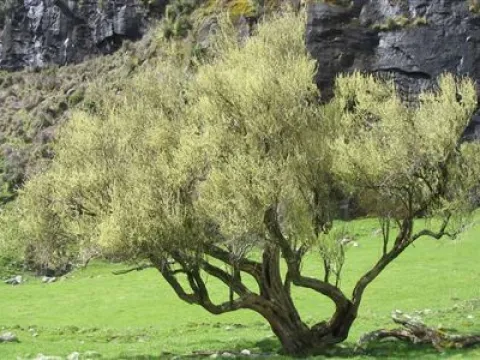
Hector's groundsel
Senecio hectoris
Hector's groundsel (Senecio hectoris) is a perennial herbaceous plant belonging to the Asteraceae family. Native to New Zealand, specifically the South Island, it is highly regarded for its large, distinctive foliage and its architectural presence in garden settings.
What the section contains
Hector's groundsel
In its natural habitat, the plant thrives in cool, damp forest margins and shaded slopes. This background indicates a strong preference for environments where temperatures remain moderate and air humidity is consistently high throughout the growing season.
Soil requirements are strict: the plant needs a rich, organic-based substrate that provides excellent drainage. While it appreciates moisture, it cannot tolerate waterlogged soils, which quickly lead to root rot and other physiological issues.
Optimal site selection involves choosing areas with partial shade. Exposure to intense, direct afternoon sun often results in scorched leaves and excessive moisture loss, which can severely stress the plant and reduce its aesthetic value.
Horticultural management requires consistent watering and protection from extreme temperature fluctuations. In climates prone to hard frosts, gardeners often treat this species as a conservatory plant or provide heavy winter protection to ensure its survival.
The primary pests affecting Senecio hectoris include aphids and spider mites. Aphids typically target the new, soft growth of the plant, while spider mites thrive in drier environments, causing foliage discoloration and weakening the plant's structure.
Fungal pathogens represent a significant threat to the plant's health, particularly root rot caused by stagnant water in the root zone. Ensuring that the planting site has good soil aeration is the most effective preventative measure against these infections.
Powdery mildew is another common issue that appears when plants are crowded and lack sufficient airflow. This condition manifests as a white, powdery coating on leaves, which can be managed by adjusting plant spacing and improving ventilation.
Slugs and snails can cause substantial physical damage to the leaves, especially during humid or rainy weather. Regular inspection of the plant's base and the use of barriers or appropriate control methods can help protect the foliage.
Effective management of these threats relies on integrated pest management (IPM) principles. By maintaining the plant's health through correct irrigation and environmental control, the susceptibility to diseases and pest infestations is significantly minimized.