
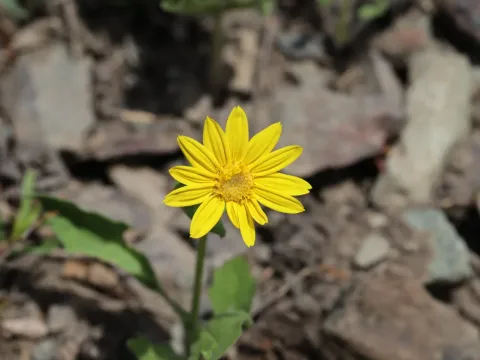
Heartleaf arnica
Arnica cordifolia
Sowing seeds of heartleaf arnica is best performed in the spring when soil temperatures reach 10–12 degrees Celsius. Seeds require a period of cold stratification, lasting 30 to 60 days, to effectively break dormancy and ensure high germination rates.
What the section contains
Heartleaf arnica
Seeds should be planted at a shallow depth of no more than 0.5–1 cm because of their small size. It is critical to ensure good soil contact and consistent moisture during the initial weeks to support the development of delicate seedlings.
For greenhouse production, seeds are often started in trays during March or April. This method yields robust transplants that can be safely moved to the field after the risk of late spring frost has completely passed.
The recommended planting pattern for large-scale production involves spacing rows 40–50 cm apart, with individual plants placed 20–30 cm within rows. This configuration allows sufficient space for leaf rosette expansion while maintaining high density.
Germination can be slow and irregular, typically occurring over three to four weeks. During this phase, maintaining soil humidity is essential, as the soil surface must not be allowed to dry out completely until the seedlings are established.
Heartleaf arnica thrives in well-drained, slightly acidic loam or sandy soils rich in organic matter. Excessive soil moisture or poor drainage can quickly lead to root rot, making site selection the most critical factor for success.
The crop prefers full sun to light partial shade. While it is naturally found in mountainous regions, it requires plenty of light for optimal metabolic activity and the production of bioactive compounds essential for medicinal use.
The ideal ambient temperature for growth ranges from 18 to 22 degrees Celsius. Being a cold-hardy plant, it adapts well to temperate climates but can suffer significantly during prolonged summer droughts, necessitating irrigation.
Fertilization should focus on well-rotted compost or low-calcium mineral fertilizers. Heartleaf arnica is sensitive to high pH levels and calcium excess, which can trigger iron chlorosis and inhibit the overall development of the plant.
Consistent moisture management is necessary during the summer months to ensure crop quality. Lack of water significantly reduces flower yield and the concentration of volatile oils, decreasing the overall market value of the harvested raw material.
The first commercial harvest of heartleaf arnica flowers typically occurs in the second or third year of cultivation. In the first year, the plant focuses exclusively on root and rosette establishment, precluding any harvesting of the aerial parts.
The average yield of dried flower heads ranges from 300 to 600 kg per hectare. This performance depends heavily on the age of the plantation, soil fertility, and the precision of harvesting techniques during the flowering window.
Peak production is usually observed in the third and fourth years. Beyond this point, plantations often lose their vigor and stand density, necessitating field renovation, rhizome division, or complete replanting to maintain economic viability.
Harvesting should take place at the height of the flowering stage, when the flower heads are fully expanded. Mechanical harvesting tools or specialized manual combs allow for the efficient collection of blossoms without causing damage to the plants.
Post-harvest processing involves rapid drying at temperatures between 40 and 45 degrees Celsius. Careful control of the drying environment is essential to preserve the color, aroma, and chemical potency of the medicinal herb.
Gray mold is the most significant disease affecting the crop, particularly in humid conditions. Mitigation strategies include improving field ventilation, managing planting density, and promptly removing any infected plant tissue from the field.
Pests such as aphids and spider mites can infest the foliage during warm, dry periods. Using targeted biological control agents is recommended to protect the crop without leaving residues that could compromise the quality of the medicinal material.
Root rot is primarily a consequence of improper soil drainage or overwatering. Maintaining optimal soil structure and adhering to a sound crop rotation schedule are the best preventative measures against soil-borne pathogens.
Weeds are strong competitors for nutrients and light, especially during the establishment phase. Regular mechanical weeding and the use of organic mulch can effectively suppress weeds and promote healthy plant growth.
Slugs can occasionally cause damage to young leaf rosettes during the wet spring months. Implementing physical barriers or safe, non-toxic bait stations helps manage these pests without harming the surrounding ecosystem.