
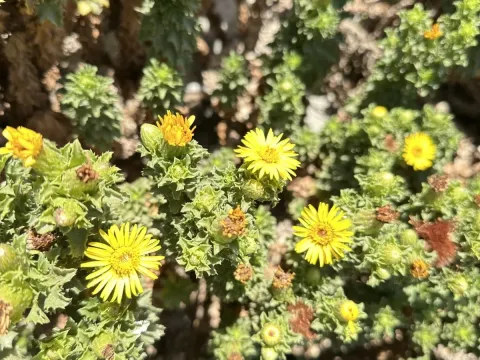
Haplopappus foliosus
Haplopappus foliosus
Haplopappus foliosus is a perennial plant belonging to the Asteraceae family. Native to the diverse landscapes of Chile, this species is well-adapted to Mediterranean-type climates, characterized by dry, warm summers and mild, rainy winters.
What the section contains
Haplopappus foliosus
The plant thrives in well-draining, sandy-loam soils. It is highly valued for its ability to tolerate nutrient-poor substrates, making it a potentially resilient crop for marginal lands where other high-input crops might fail.
Sun exposure is a critical factor for the successful production of Haplopappus foliosus. It requires full sunlight to initiate flower development and maintain healthy foliage. Shaded environments significantly inhibit its growth rate.
In terms of moisture, while the plant is drought-tolerant once established, supplemental irrigation during the seedling stage is essential to ensure a robust root system. Excessive water accumulation must be strictly avoided.
The plant is resilient to various environmental stressors, provided it is grown in environments that do not experience prolonged, hard freezing temperatures, which could damage the woody base of the plant.
The most common agricultural threat to Haplopappus foliosus is root rot, typically caused by Phytophthora or Pythium species in waterlogged or overly compact soils. Proper soil aeration is the primary defense strategy.
Insect pests, specifically aphids and certain species of spider mites, can cause significant damage by depleting the plant's resources. Infestations are more prevalent in greenhouses or poorly ventilated field patches.
Preventive management includes strict weed control, as invasive weeds often harbor pathogens that can jump to the crop. A clean field environment is essential for keeping pest populations below the economic injury level.
Chemical control should be used as a last resort, prioritizing biological control agents such as predatory mites or beneficial fungi to suppress pest populations without disturbing the local ecosystem.
During the harvest planning, farmers should monitor for signs of powdery mildew, which can occur during late-season periods with high humidity and stagnant air, potentially reducing the quality of the harvested material.