
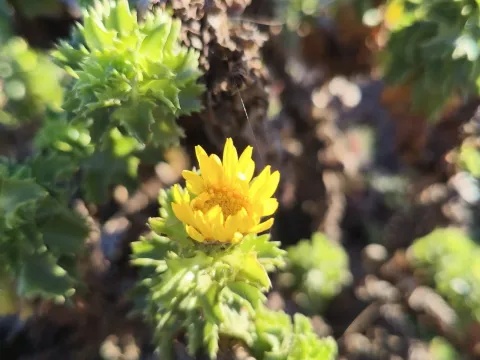
Haplopappus
Haplopappus
Haplopappus is a genus of perennial shrubs and subshrubs belonging to the Asteraceae family. Native primarily to the arid regions of North and South America, these plants have evolved to thrive in challenging environmental conditions.
What the section contains
Haplopappus
Botanically, they are characterized by woody stems and radiant daisy-like inflorescences. The diversity of the genus allows for varied usage in xeriscaping and dry garden design due to their unique aesthetic appeal.
Climate requirements for Haplopappus focus on high solar radiation. These plants perform best in full sun, which is essential for maintaining their compact growth habit and stimulating abundant flower production throughout the season.
Regarding soil, these plants require excellent drainage to prevent root rot. They are naturally adapted to lean, stony, or sandy soil compositions, meaning they do not require high nutrient levels or heavy organic fertilization.
Agrotechnical management is relatively minimal once the plants are established. They are highly drought-tolerant, making them ideal for low-maintenance landscapes where water conservation is a priority.
Fungal pathogens represent the primary threat to Haplopappus, usually triggered by excessive humidity or poor soil drainage. Keeping the root zone well-aerated is critical for preventing fungal outbreaks during the growing season.
Pests such as aphids and spider mites can be problematic in dry, hot weather. These insects target the foliage, potentially stunting growth and reducing the decorative value of the plant if left unchecked.
Management of these threats involves monitoring and early intervention. Removing dead foliage and ensuring proper spacing between plants helps promote airflow, which naturally reduces the risk of both pest colonization and fungal spread.
When chemical interventions are necessary, fungicides and insecticides must be applied according to local agricultural standards. Always target affected areas specifically to minimize impact on beneficial insects in the ecosystem.
Overall, maintaining plant health involves consistent observation of weather patterns. By adjusting irrigation schedules and conducting light pruning after the blooming period, growers can ensure the longevity and vitality of their Haplopappus specimens.