
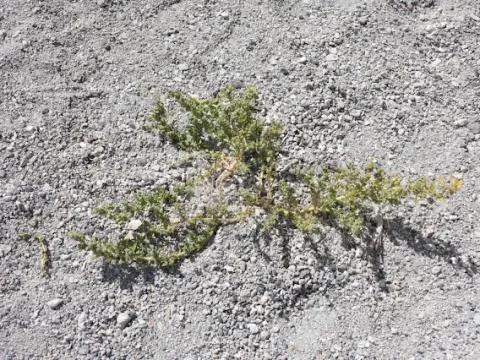
Haplopappus
Haplopappus hybrids
The propagation of Haplopappus is typically initiated via seeds sown in a high-quality, well-draining substrate during the late winter or early spring. Greenhouse or indoor conditions provide the necessary thermal stability for germination.
What the section contains
Haplopappus
For outdoor sowing, it is critical to wait until the soil temperature reaches a consistent level of at least 15 degrees Celsius. Direct sowing in regions with unpredictable spring weather carries the risk of seedling loss due to sudden frosts.
Seeds should be covered with a very thin layer of soil, not exceeding 1 centimeter, to ensure they receive sufficient light for sprouting. Maintaining a consistent moisture level without creating waterlogged conditions is essential for seed success.
Germination typically occurs within a three-week window, depending on environmental factors. Once seedlings emerge, they should be moved to a location with bright, indirect sunlight to encourage robust growth.
Thinning and transplanting into individual containers allow for individual root development, ensuring that plants are strong enough for permanent outdoor bedding once external conditions are stable.
Haplopappus belongs to the Asteraceae family and requires significant direct sunlight to maintain its structural integrity and blossom frequency. It is an ideal plant for sunny borders and xeriscaping.
The culture thrives in poor to moderately fertile, well-draining, sandy soils. Excessively rich soil tends to weaken the stem structure, making the plant prone to lodging during moderate wind events.
This genus is noted for its drought tolerance once established, making it a low-maintenance choice. Irrigation should be applied only when the top few centimeters of the soil are completely dry.
The plant performs best in a climate with good air circulation. It is susceptible to high-humidity stress, which can lead to physiological damage if not managed through proper site selection.
Strategic placement in the garden is essential to ensure that the plant is not overshadowed by faster-growing shrubs or perennials, as competition for light can rapidly lead to plant decline.
Fungal issues, such as powdery mildew, represent a primary threat, especially in seasons with extended rainfall or poorly drained soil conditions. Improving airflow is the most effective cultural control.
Insect pests, including aphids and spider mites, are common observers of this crop. Early detection through regular leaf examination allows for localized treatment rather than large-scale pesticide applications.
Root rot is the most common fatal ailment, resulting from soil saturation. Ensuring the planting medium is coarse and porous is the primary defense strategy against this issue.
Sanitation practices, such as removing dead foliage and weeding around the base of the plant, significantly reduce the habitat for overwintering pests and the spread of pathogens.
Integrated Pest Management (IPM) is recommended to manage populations of harmful insects while preserving the beneficial pollinators that visit the blooming flowers.