
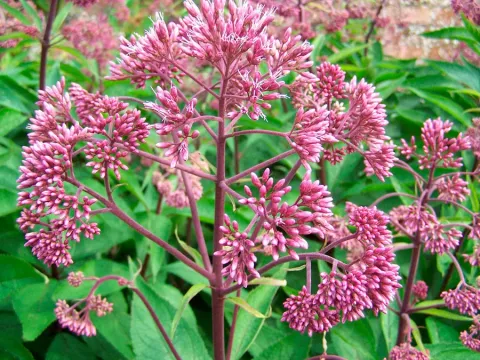
Hairy thoroughwort
Eupatorium hirsutum
Hairy thoroughwort is a perennial herbaceous plant belonging to the Asteraceae family. This species is recognized for its valuable phytochemical properties and is increasingly cultivated for its medicinal utility.
What the section contains
Hairy thoroughwort
Seed propagation is the primary method of establishing crops. Due to the small size of the seeds, they require a shallow sowing depth, barely covering them with a thin layer of soil to ensure proper light exposure for germination.
The optimal time for sowing is early spring after the risk of frost has passed. Seeds can be sown in trays or nursery beds first, as the seedlings are delicate and require controlled conditions for the first few weeks.
Transplanting to the permanent field site should be performed once the plants reach a stage of 4 to 5 true leaves. Standard spacing is approximately 50 cm between plants to ensure sufficient airflow and nutrient availability.
Establishing a uniform stand is crucial for long-term productivity. Soil moisture must be strictly maintained immediately after planting to ensure the roots become established without stress.
This crop thrives best in nutrient-rich, moist loam soils. It demonstrates a significant preference for sites with high water availability, though it requires good drainage to avoid root rot.
Soil pH should ideally be neutral or slightly acidic. If the soil is heavy, incorporating organic matter or compost before planting improves soil structure and boosts overall biomass yield.
Exposure to full sunlight is essential for optimal growth and high concentration of active compounds. While it can tolerate partial shade, productivity is generally lower in such conditions.
Regular maintenance involves keeping the rows free of weeds, especially during the early growth stages. Cultivation of the soil surface between rows helps improve aeration and water infiltration.
Hairy thoroughwort is hardy and capable of surviving cold winters in temperate zones. It is generally undemanding regarding extreme temperature fluctuations, provided it is well-rooted before winter dormancy.
Harvesting is directed towards the aerial parts of the plant, which are collected during the peak flowering stage. This timing ensures the highest potency of essential oils and beneficial extracts.
The yield of dried biomass is stable over several years once the plants are mature. On average, farmers can expect a significant harvest starting from the second year of cultivation.
Post-harvest processing requires rapid drying in well-ventilated areas away from direct sunlight to preserve the volatile compounds. Controlled temperature drying is recommended for commercial quality.
The crop offers good economic returns due to its use in the pharmaceutical and herbal medicine sectors. Efficient harvesting and sorting increase the overall market value of the crop.
With proper crop management, a single field can remain productive for up to five years before requiring renewal. Rotational planting helps maintain soil health and prevents productivity decline.
Aphids and certain beetles can pose a risk to young leaves during the spring. Monitoring is essential to ensure that pest populations do not exceed the economic threshold for treatment.
Powdery mildew is the most common disease, particularly in high-humidity or poorly ventilated conditions. Maintaining proper spacing and removing debris helps reduce the spread of fungal spores.
Root system issues can arise from stagnant water. Improving field drainage is the most effective preventative measure against root decay and related physiological disorders.
Weed control is critical to avoid competition for nutrients and water. Mulching techniques are often used to suppress weeds and maintain the necessary soil moisture levels around the plants.
Regular inspection of the crop provides early warning for potential infestations. Rapid identification and targeted management strategies are the cornerstones of successful cultivation.
The harvesting process begins when the first blooms start opening. Mechanical harvesting tools should be set at a height of about 10–15 cm from the ground to prevent damage to the root crown.
Speed of transport to the processing facility is vital to prevent the gathered biomass from fermenting or losing quality. Fresh material should be processed or dried within hours of cutting.
Quality control during harvesting involves removing non-target plant parts, such as roots or foreign matter. This is essential for meeting industry standards for herbal raw materials.
Dried product should be stored in cool, dry, and dark conditions to ensure long-term stability. Proper packaging materials allow for air exchange while preventing humidity ingress.
After the harvest, field maintenance includes removing residues to prevent the build-up of overwintering pathogens. This preparation ensures a healthy start for the following season.