
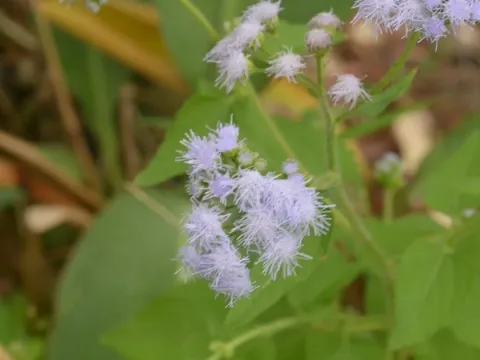
Hairy thoroughwort
Eupatorium villosum
Hairy thoroughwort (Eupatorium villosum) is a herbaceous perennial belonging to the Asteraceae family. It is native to the Caribbean region and parts of Central America, where it typically thrives in open, sunny habitats or light woodland edges with adequate moisture availability.
What the section contains
Hairy thoroughwort
The plant is botanically recognized by its hairy stems and opposite leaves, which provide a unique texture compared to other members of the genus. Its root system is robust and fibrous, allowing it to establish well in various substrate types provided that the nutritional requirements are met.
Climatic requirements are centered around a preference for warm and humid conditions. It is not cold-hardy in temperate frost-prone climates, making it best suited for sheltered garden spots or greenhouse conditions where the temperature does not drop significantly during the growing season.
In terms of soil, it requires a well-draining, nutrient-rich medium with a slightly acidic to neutral pH. It is crucial to ensure that the site does not become waterlogged, as the roots are prone to rot in anaerobic conditions; adding organic mulch is recommended for moisture retention.
The primary use of Eupatorium villosum is ornamental. It is widely valued by landscape designers for its aesthetic appeal in perennial borders and pollinator-friendly gardens, where its dense flower clusters serve as a reliable source of nectar throughout the late summer and autumn months.
The culture is susceptible to common garden pathogens, particularly fungal infections like powdery mildew, which thrive in humid and poorly ventilated conditions. Regular monitoring for white fungal spots on the foliage is essential to maintain the health of the plants.
Pests such as aphids and spider mites can occasionally affect the growth cycle, especially during hot, dry spells. Effective management involves maintaining strong plant vigor and utilizing horticultural soaps or biological control agents to manage populations before they cause significant damage.