
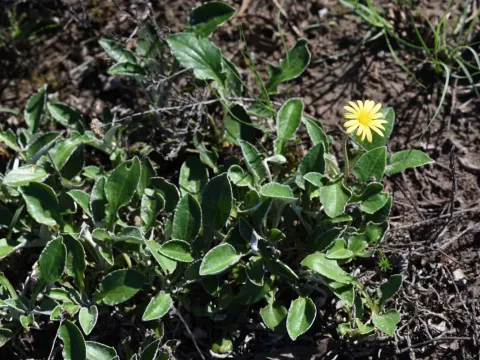
Haplocarpha
Haplocarpha
Sowing Haplocarpha seeds is recommended during the spring period, once the threat of night frosts has passed and the soil has sufficiently warmed up. For seedlings, seeds should be sown in containers in late winter or early spring, maintaining a stable temperature of about 20 degrees Celsius.
What the section contains


Haplocarpha
When sowing directly into open ground, it is essential to prepare a light substrate that allows good water and air permeability. The planting depth should be minimal, as the seeds require sufficient light to germinate successfully.
An important aspect is maintaining proper spacing when transplanting seedlings, which prevents overcrowding and promotes the healthy development of the root system. The optimal distance between plants is between 30 and 40 centimeters.
After the first true leaves appear, pricking out is necessary if the plants were grown in common containers. This process stimulates lateral root growth and strengthens the young plants before their final placement in the garden.
Flowering times depend directly on the sowing date; plants grown via the seedling method start producing blooms much earlier, allowing them to be used effectively in landscaping throughout the entire summer season.
Haplocarpha belongs to the Asteraceae family and has specific lighting requirements. For optimal growth and intense flowering, the crop needs an open, well-lit location protected from strong cold winds.
The soil must be well-drained, as water stagnation is detrimental to the roots of this plant. Sandy loam or light loamy soils with a neutral or slightly acidic pH are preferred for best results.
The plant has moderate drought tolerance, but it requires regular watering during the active growing season. Adequate moisture is particularly critical during the budding and flower stalk formation stages.
The crop benefits from the application of mineral fertilizers during the vegetative phase. It is recommended to use formulas with low nitrogen content to avoid excessive green mass growth at the expense of flower quality.
In regions with harsh winters, Haplocarpha requires careful protection or should be grown as an annual, as most species of this genus are sensitive to severe freezing temperatures.
The main threats to Haplocarpha are fungal diseases that develop under conditions of excessive soil moisture. Powdery mildew can affect the leaves when air humidity is high and ventilation is poor.
Root rot poses a serious danger under improper irrigation regimes. To combat these issues, it is necessary to follow agrotechnical standards and, if necessary, apply systemic fungicides.
Regarding pests, aphids and spider mites cause the most damage by feeding on the sap of young leaves and buds. Regular inspection of the plants allows for the early detection of pest colonies.
Slugs and snails can damage young shoots, especially during rainy weather. Using barrier protection methods or specialized molluscicides helps to prevent significant infestations.
Disease prevention consists of timely weeding and cultivating the soil between rows, which reduces infection centers and creates healthy conditions for vegetative growth.