
Geigeria pectidea
Geigeria pectidea
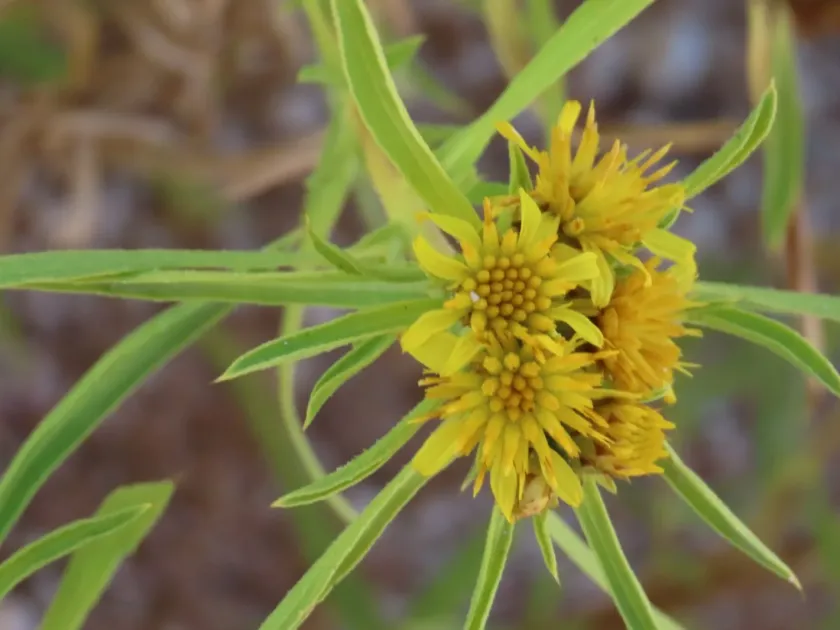
Description
Growing requirements
Geigeria pectidea, a member of the Asteraceae family, is a perennial herbaceous plant native to the arid and semi-arid regions of Southern Africa. It has evolved to thrive in harsh environments, characterized by sandy soils, low organic matter, and significant water scarcity.
The botanical structure of the plant features specialized foliage with a comb-like appearance, which is its hallmark characteristic. This morphology, combined with a robust deep-reaching root system, enables the plant to access moisture in deep soil layers, making it highly resilient to drought conditions.
This species is well-adapted to high sunlight intensity and open habitats. Unlike cultivated crops, it does not require fertile soils or irrigation; instead, it outcompetes native forage grasses in nutrient-poor environments, rapidly colonizing disturbed lands and overgrazed pastures.
From an agricultural standpoint, Geigeria pectidea is classified as a harmful weed rather than a crop. Its presence on agricultural land is considered a major setback for pasture management, as it displaces high-value forage plants and degrades the quality of grazing territory.
Its environmental requirements are primarily defined by tolerance to extreme aridity and soil instability. While it is highly successful in its native habitat, it remains a undesirable element in any agricultural system due to its negative impact on livestock safety and forage productivity.
Main diseases and pests
The most significant threat posed by Geigeria pectidea is its severe toxicity to livestock, particularly sheep. Ingestion of the plant leads to a condition frequently referred to as "vermeersiekte" or "vomiting sickness," causing neurological impairments and motor control loss.
The toxicological profile of the plant is linked to specific sesquiterpene lactones. These compounds are potent neurotoxins, which cause severe health degradation, respiratory distress, and high mortality rates among ruminants that graze on affected pasturelands.
Management of this plant is difficult due to its resilience and lack of natural enemies. There are few effective biological controls, meaning that agricultural reliance is placed on mechanical removal and targeted herbicide applications to suppress the plant's spread during the growing season.
Farmers are advised to monitor pastures closely for the emergence of this weed. Implementing early intervention strategies before the plant reaches the flowering and seeding stages is critical to preventing the infestation from spreading across larger grazing areas.
Ongoing research focuses on mitigating the spread of Geigeria pectidea through integrated weed management systems. Ensuring livestock security remains the primary objective, often necessitating the rotation of grazing land and careful inspection of feed sources to prevent accidental ingestion.