
Geigeria ornata
Geigeria ornata
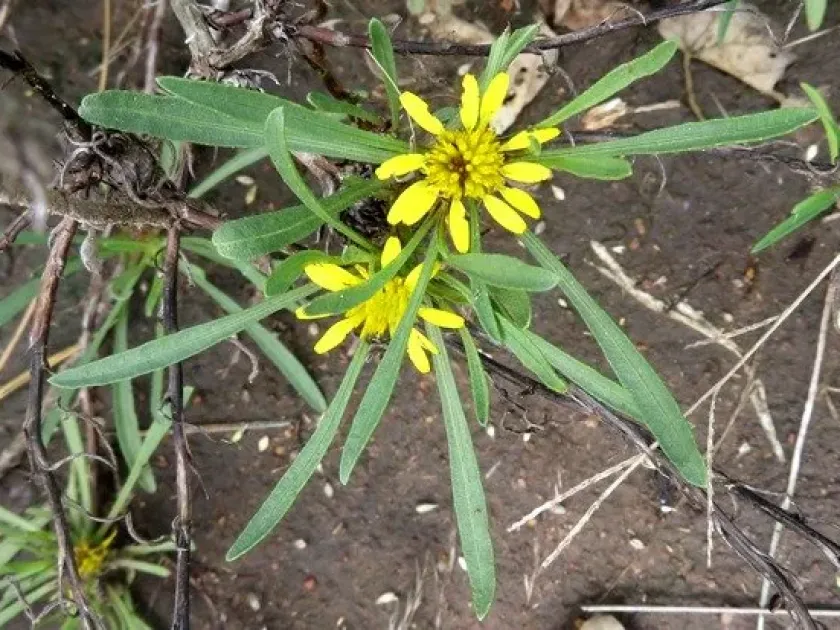
Description
Growing requirements
Geigeria ornata is a herbaceous plant belonging to the Asteraceae family. This species is recognized for its remarkable ability to thrive in harsh environments, making it a subject of interest for agricultural research in arid and semi-arid regions.
The plant originates from the dry landscapes of Southern Africa. Its evolutionary adaptations allow it to survive in regions with erratic rainfall patterns, where water scarcity is the primary limiting factor for most traditional crops.
The soil requirements for Geigeria ornata emphasize the need for excellent drainage. Light, sandy soils are preferred as they prevent the risk of waterlogging, which the plant cannot tolerate due to its specific root physiology adapted to dry climates.
Climate adaptability is the plant's hallmark. It requires high solar radiation and thrives in temperatures that would be detrimental to many temperate crops. It is highly efficient in its water-use strategy during periods of prolonged drought.
Agronomic management should prioritize low-disturbance farming techniques. Maintaining soil structure is vital, and planting density must be managed carefully to ensure each individual plant has sufficient access to soil nutrients and moisture.
Main diseases and pests
The primary threats to Geigeria ornata include various soil-borne fungi that attack the root system. These diseases are usually triggered by excessive humidity, which disrupts the plant’s natural resistance mechanisms.
Insect pests such as grasshoppers and certain leaf-feeding beetles pose significant risks during the peak vegetation phase. These insects can defoliate plants, leading to a reduction in overall biomass and potential yield loss.
Effective management against threats involves implementing strict drainage control measures. By keeping the root zone aerated, the incidence of fungal pathogens is significantly reduced throughout the growing season.
Integrated pest management strategies are recommended, focusing on early detection and targeted interventions. It is crucial to monitor field margins, as these are often the points of entry for pest infestations.
Proper field rotation practices play a significant role in mitigating the buildup of soil-borne pathogens. Rotating crops helps break the lifecycle of specific pests that rely on Geigeria ornata as their primary host.