
Geigeria acaulis
Geigeria acaulis
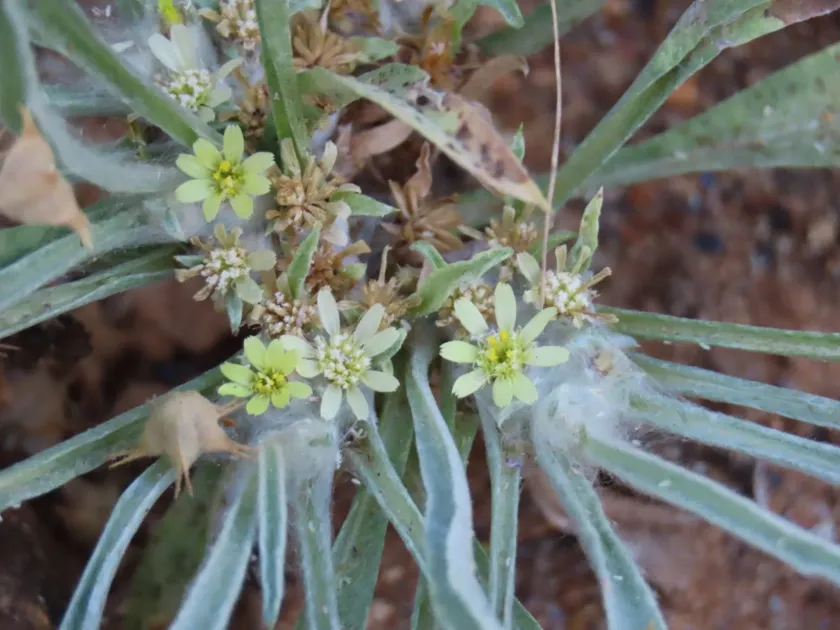
Description
Growing requirements
Geigeria acaulis is a perennial herbaceous plant belonging to the Asteraceae family. It is known for its stemless or short-stemmed habit, where leaves typically form a dense basal rosette close to the ground.
The plant is native to the arid regions of Southern Africa. It thrives in harsh environments such as dry grasslands and savannas, often colonizing sandy or rocky soils where moisture availability is highly inconsistent.
In agriculture, Geigeria acaulis is not considered a crop but rather a noxious weed. It poses a significant challenge to pastoral farming because it is highly toxic to livestock, particularly sheep and cattle, causing severe metabolic and neurological issues.
From an agronomical perspective, the plant is highly resilient. Its root system is specifically adapted to draw nutrients and water from deep within the soil, allowing it to survive during severe droughts when most forage grasses perish.
There are no established agricultural practices for cultivating this species. Management efforts are entirely focused on eradication and pasture improvement to prevent livestock from grazing in areas where the plant is prevalent.
Main diseases and pests
The primary threat associated with Geigeria acaulis is its severe toxicity. Ingestion leads to a condition known as "vermeersiekte" (vomiting disease) in livestock, which is characterized by loss of motor control and high mortality rates.
While specific insect pests exist within the plant's native range, they rarely provide sufficient biological control to reduce its presence significantly on grazing lands without external human intervention.
Pathogens affecting the plant are primarily fungal. These diseases occur intermittently depending on environmental moisture levels, but they rarely impact the plant's overall viability as a weed species.
The sesquiterpene lactones present in the plant tissues are the main cause of toxicity. These chemical compounds are stable and do not degrade quickly, which necessitates strict pasture management protocols.
Control strategies involve mechanical removal and the strategic use of herbicides. Protecting livestock from ingestion is the highest priority for farmers managing rangelands where this species has established itself.