
Geigeria burkei
Geigeria burkei
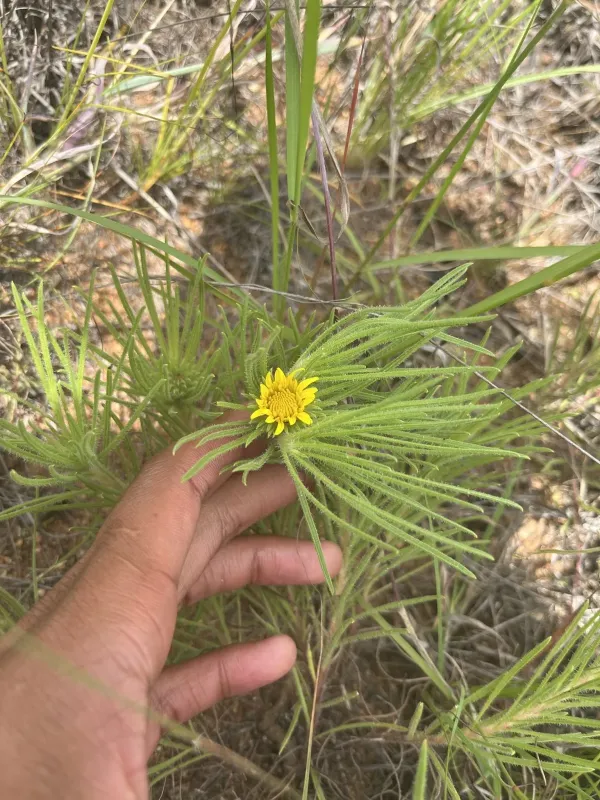
Description
Growing requirements
Geigeria burkei is a perennial herbaceous plant belonging to the Asteraceae family. In agricultural terms, it is primarily recognized as a problematic species for livestock due to its inherent toxicity, which poses significant risks to animal health in grazing areas.
The native distribution of this species is centered in the arid and semi-arid regions of Southern Africa. The plant has evolved to thrive in harsh environments, demonstrating remarkable resistance to drought and adapting well to nutrient-poor, sandy soil types.
Botanically, the species is characterized by a compact growth form and a robust root system, which allows it to secure moisture in challenging conditions. The leaves are typically narrow and often covered in fine hairs, a feature that provides insulation and reduces water loss.
Regarding its habitat requirements, Geigeria burkei prefers well-drained soils and is highly tolerant of neutral to slightly alkaline pH levels. Its persistence in such environments makes it a difficult species to manage once it establishes dominance in a field.
Agricultural practices for this plant are centered on mitigation and control rather than cultivation. Farmers typically employ a combination of mechanical removal and chemical control strategies to ensure the safety of grazing livestock and the productivity of the land.
Main diseases and pests
The primary concern regarding this plant is its status as a toxic weed. Ingestion by livestock, particularly sheep, induces a condition often referred to as "vermeersiekte" (vomiting disease), which can cause severe neurological damage and significant economic losses for ranchers.
While the plant is generally hardy, it is susceptible to specific leaf-eating insects. However, due to its toxicity, it faces very little pressure from natural pests, allowing it to compete aggressively with more desirable forage grasses if left unmanaged.