
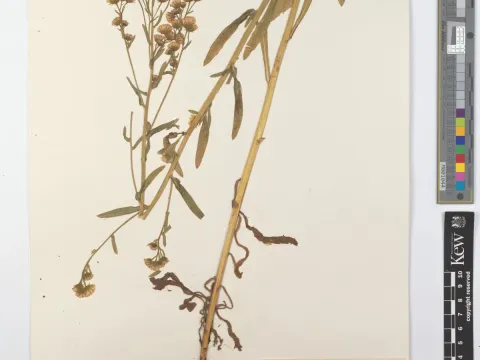
Erigeron spiculosus
Erigeron spiculosus
Erigeron spiculosus is a perennial herbaceous plant belonging to the Asteraceae family. Known for its resilience, this species originates from temperate zones and is widely recognized for its ability to thrive in well-drained, sunny locations with stable environmental conditions.
What the section contains
Erigeron spiculosus
The plant demonstrates a strong preference for light, sandy, or loamy soil types. Adequate aeration of the root system is essential for its development, as compacted or waterlogged soils can lead to physiological stress and root rot, significantly hindering growth.
Regarding climatic requirements, the species favors moderate moisture levels and requires significant exposure to direct sunlight. It is well-adapted to cooler periods and possesses high winter hardiness, allowing it to withstand seasonal temperature fluctuations successfully.
Botanically, Erigeron spiculosus is characterized by its erect stems and puberulent leaves, which serve as an effective mechanism against excessive transpiration. The inflorescences consist of colorful composite heads that provide substantial value for pollinators in agricultural landscapes.
In terms of agricultural utility, this species is frequently used for soil stabilization and as a beneficial companion plant. Its ability to attract diverse beneficial insects makes it an asset for integrated pest management strategies in organic farming systems.
The primary threats to Erigeron spiculosus include fungal diseases such as powdery mildew, especially when plants are grown in high humidity environments or during seasons with poor air circulation within the canopy.
Common insect pests include aphids and spider mites. These pests typically attack the soft tissues of the stems and leaves, causing structural damage and reduced vigor, which requires monitoring and, if necessary, targeted insecticidal interventions.
To maintain plant health, it is essential to implement preventive measures, including proper spacing between plants to maximize airflow and minimize the development of microclimates favorable for fungal spore germination.
Sanitation practices, such as the removal of dead or infected organic matter at the end of the season, are crucial for breaking the cycle of pests and diseases that might otherwise overwinter in the field.
Integrated pest management remains the most effective strategy, focusing on biological control and environmental manipulation to keep the population of harmful pests below the economic injury level.