
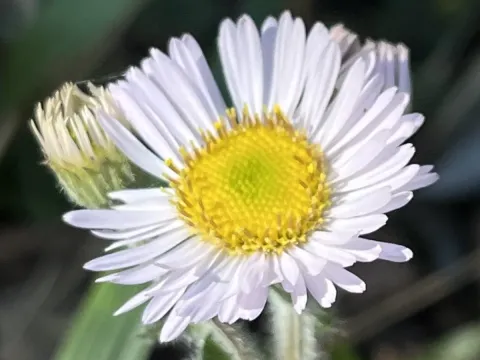
Erigeron pulchellus
Erigeron pulchellus
Erigeron pulchellus, belonging to the Asteraceae family, is a perennial flowering plant often used in horticultural landscapes. The plant reproduces mainly through seeds or rhizome division, which is the most reliable method for maintaining specific cultivar traits.
What the section contains
Erigeron pulchellus
Seeds should be sown in early spring after the soil has warmed up. For better control and faster development, it is recommended to start seeds indoors in trays. The seeds are very small and require light to germinate, so they should be pressed into the surface of the soil rather than buried.
When sowing in the open field, ensure the seedbed is finely prepared and free from large clods. The ideal germination temperature is around 18-20°C. Once the seedlings develop their first true leaves, they can be transplanted to their permanent location.
Spacing is crucial for the health of the plants. Allowing 30-40 cm between specimens ensures adequate airflow, which is essential for reducing the risk of fungal outbreaks within dense foliage cushions.
In terms of propagation by division, this should be done in early spring or late autumn when the plant is not in its active blooming phase. The root clumps should be separated carefully and replanted immediately to prevent root drying.
Erigeron pulchellus thrives in well-drained, fertile soil with a neutral to slightly alkaline pH. It is highly intolerant of waterlogged conditions, which can lead to rapid root decay, especially in clay-heavy soils.
Sunlight exposure is a significant factor in plant performance. While it is adaptable to partial shade, full sun is preferred for maximizing flower production and maintaining the plant's natural compact growth habit.
Watering requirements are moderate. During the growing season, consistent moisture is necessary, but the soil should be allowed to dry slightly between waterings. Excessive moisture during dormancy can be detrimental to the plant's overwintering survival.
Fertilization with a balanced, slow-release fertilizer at the beginning of the spring season supports vigorous vegetative growth. Avoid over-fertilizing with nitrogen, as this may encourage leaf growth at the expense of floral development.
Mulching is a highly recommended practice for this species. A layer of organic mulch helps retain soil moisture, suppresses weed growth, and protects the shallow root system from extreme temperature fluctuations during winter.
Fungal diseases, particularly powdery mildew, represent a major threat to the plant's health. High humidity and poor air circulation are the primary drivers of this infection, causing white spots on foliage and stunted growth.
Root rot is another significant concern, primarily caused by excessive irrigation or poor drainage. Infected plants often show signs of yellowing leaves and wilting, eventually leading to the death of the entire clump if not treated early.
Insect pests such as aphids and spider mites are common. These pests cluster on the undersides of leaves or around the buds, extracting sap and causing deformation of the flowers. Regular monitoring is essential for timely intervention.
Control strategies involve both cultural and chemical methods. Removing and disposing of infected plant parts can prevent the spread of diseases. If chemical treatment is necessary, apply insecticidal soaps or systemic pesticides according to label instructions.
Integrated pest management suggests encouraging beneficial insects, which naturally control the population of aphids. Proper plant spacing and avoiding overhead irrigation are the most effective preventive measures against both diseases and pests.