
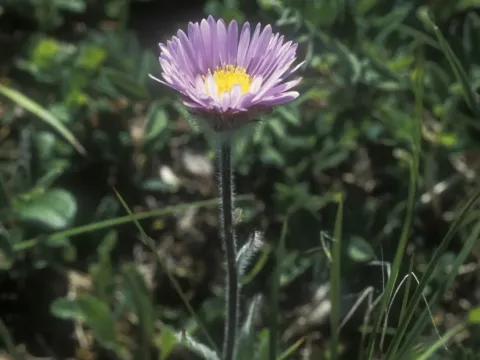
Erigeron thunbergii
Erigeron thunbergii
Erigeron thunbergii is typically propagated through seeds sown in spring or by dividing established clumps to ensure genetic consistency.
What the section contains
Erigeron thunbergii
Seedlings should be started indoors in March using a light, sterile seed-starting mix to provide a strong foundation for the developing root system.
Transplanting into the garden should occur once all danger of frost has passed, ensuring the plants are hardened off before placement in beds.
When dividing mature plants, it is best to perform this task in early spring or autumn to minimize stress and allow for rapid re-establishment.
Proper spacing of 30–40 cm is recommended to promote good air circulation, which helps prevent foliage diseases and encourages robust plant growth.
This member of the Asteraceae family thrives in full sun, requiring at least six hours of direct sunlight daily to produce abundant flowers.
Well-draining, moderately fertile soil is ideal for this species, as it is susceptible to rot in waterlogged or heavy, clay-based soil conditions.
The plant is highly adaptable to various climates and is recognized for its cold hardiness, making it suitable for temperate regional landscapes.
Regular watering is necessary during the establishment phase and periods of drought, though mature plants demonstrate reasonable drought tolerance.
Fertilizing with a balanced, slow-release fertilizer early in the growing season supports healthy development and sustained floral production.
Powdery mildew is the most common fungal issue for Erigeron thunbergii, especially in areas with high humidity and poor air circulation.
Root rot can become a significant problem if drainage is inadequate, leading to plant decline and death if not addressed immediately.
Aphids can occasionally infest the flower buds and tender shoots, necessitating the use of insecticidal soap or other biological controls.
Leaf nematodes may appear in some regions, causing characteristic yellowing and distortion of leaves, requiring removal of affected parts.
Integrated pest management, including weeding and monitoring, is the most effective approach to keeping these perennials healthy and vigorous.
The primary use of Erigeron thunbergii is as an ornamental plant in borders, rock gardens, and naturalistic landscape designs for aesthetic appeal.
Floral stems are harvested during the summer blooming season for use in fresh cut flower arrangements, where they offer a long vase life.
Deadheading faded flowers throughout the season encourages the plant to produce a secondary flush of blooms, extending the visual interest.
In autumn, the foliage should be cut back to ground level after the first frost, which helps the plant enter dormancy and prepares it for winter.
Seed collection involves harvesting ripened heads after the petals fall, ensuring they are dried thoroughly before storage in a cool, dry environment.