
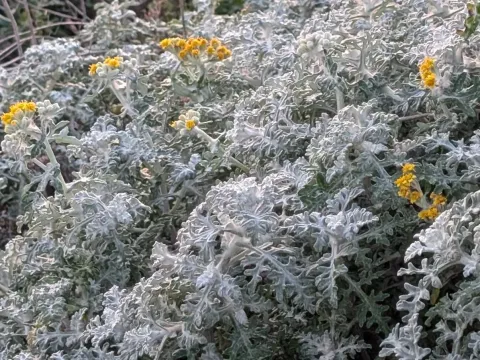
Eriophyllum
Eriophyllum
Eriophyllum seeds should be sown in the spring once the danger of hard frost has passed. The seeds require light for germination, so they should be sown on the surface of the soil or covered only very lightly with vermiculite.
What the section contains


Eriophyllum
When starting indoors, seeds should be sown about 6–8 weeks before the last expected frost date. Using a sterile seed-starting mix ensures the best results and prevents early damping-off disease common in seedlings.
Seedlings should be moved to individual pots as soon as they develop their first set of true leaves. This promotes the growth of a robust root system, which is essential for the plant's future survival in dry landscape conditions.
Hardening off the seedlings is a critical step before transplanting. Exposing the plants to outdoor conditions gradually over two weeks helps them adapt to wind, temperature fluctuations, and direct sunlight.
Final transplanting to the garden should happen in late spring. Spacing should be approximately 30 to 45 centimeters apart to ensure adequate airflow around each plant, reducing the risk of foliage diseases.
Eriophyllum is a member of the Asteraceae family, native to the western regions of North America. These plants are exceptionally well-adapted to harsh, arid, and rocky environments, making them highly resilient in cultivation.
Soil drainage is the most important factor for success. Eriophyllum prefers poor, sandy, or rocky soils with excellent drainage, as it is highly intolerant of wet feet and standing water during the winter months.
The plant is notoriously drought-tolerant once established. It rarely requires irrigation, thriving on minimal rainfall and making it an excellent choice for low-maintenance xeriscaping or rock gardens.
While the plant can tolerate poor fertility, it does not respond well to over-fertilization. Excess nutrients often lead to weak, leggy growth that lacks the compact structure and profuse blooming characteristic of the species.
Full sun is non-negotiable for Eriophyllum. It thrives in locations with at least 6–8 hours of direct sunlight daily, which helps maintain the signature woolly, silver-gray foliage that protects the plant from intense heat.
Root rot remains the most serious threat to Eriophyllum, almost exclusively caused by excessive soil moisture. Once root damage occurs, the plant often recovers with great difficulty, requiring an immediate move to a drier site.
Insects such as aphids may occasionally congregate on fresh spring growth. While rarely fatal, they can weaken the plant and cause minor leaf curling, which is typically managed with simple water jets or insecticidal soap.
Powdery mildew can affect the leaves during periods of high humidity or poor air circulation. Proper spacing between plants is the best defense against this fungal infection in dense gardening setups.
Slugs and snails may attack young, tender plants shortly after transplanting. Creating a physical barrier of sharp grit or coarse sand around the base can effectively deter these pests without using chemicals.
- Ensure soil is never waterlogged during the autumn and winter.
- Remove any dead or diseased foliage promptly to maintain hygiene.
- Avoid over-mulching near the root crown to prevent rotting.