
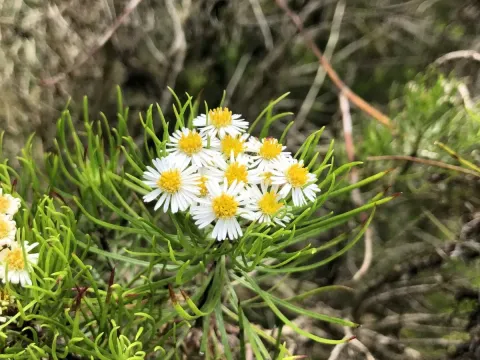
Erigeron tenuifolius
Erigeron tenuifolius
Erigeron tenuifolius is a herbaceous perennial belonging to the Asteraceae family, characterized by its slender foliage and adaptive growth patterns.
What the section contains
Erigeron tenuifolius
Sowing should ideally occur in early spring when soil temperatures reach stable levels, allowing for effective germination and establishment of seedlings.
The seeds are small and require a shallow planting depth, as they need exposure to light to trigger the biological processes necessary for growth.
When starting in nurseries, maintaining consistent moisture levels and providing good drainage is critical for successful transplanting into open ground.
Spacing should be managed to ensure adequate ventilation, which helps reduce the accumulation of humidity within the plant canopy during development.
This species thrives in sunny environments, as full sun exposure is essential for maintaining the vigor and structural integrity of the stems.
The ideal substrate consists of well-draining, moderately fertile soil, as the plant is sensitive to waterlogged conditions that can inhibit root respiration.
While relatively drought-tolerant once established, supplemental watering during prolonged dry spells is recommended to maximize biomass production.
Soil pH should ideally be neutral or slightly alkaline, promoting the availability of micronutrients required for robust physiological performance.
Routine cultivation tasks include weeding and soil aeration, which help in suppressing invasive weeds and maintaining optimal soil structure for the roots.
The primary threats to Erigeron tenuifolius involve fungal infections, which are often encouraged by stagnant moisture or poor air circulation in the field.
Powdery mildew and various fungal spots are common challenges, necessitating the use of preventative agricultural practices like proper spacing.
Pest populations, including aphids and spider mites, can significantly decrease plant health by feeding on sap and reducing the photosynthetic surface.
Implementing an integrated pest management strategy, including both biological controls and targeted chemical treatments, is advised for high-density areas.
Sanitation practices, such as removing debris and infected plant tissues after the growing season, are essential to minimize overwintering sources of disease.