
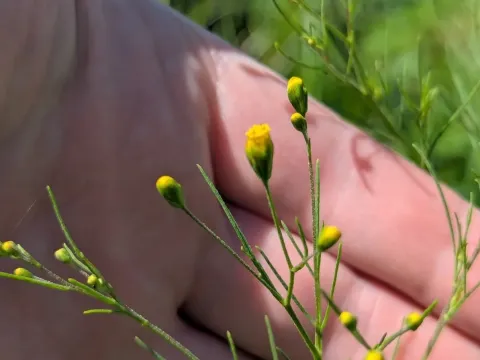
Schkuhria
Schkuhria
Schkuhria is a genus of annual herbaceous plants belonging to the Asteraceae family. These plants are characterized by their pinnately dissected leaves and small, distinctive flower heads, which are typical of many plants within this diverse botanical group.
What the section contains
Schkuhria
Native to South and Central America, Schkuhria has adapted to various environmental conditions. It thrives in open, sun-drenched habitats where natural light intensity is high, which is essential for the plant's metabolic processes and secondary metabolite production.
The crop demands well-drained soil conditions, as it is highly susceptible to root rot and other fungal diseases triggered by excessive moisture. Sandy loam or loose, fertile soils are preferred to ensure proper aeration and drainage for the root system.
Climate-wise, Schkuhria exhibits significant resilience to heat and dry periods. While it is hardy, maintaining consistent soil moisture during the active vegetative growth stage is recommended to maximize biomass yield for medicinal or industrial purposes.
Economically, the plant is primarily cultivated for its secondary metabolites. Research indicates that certain species in the genus contain bioactive sesquiterpene lactones, which are of significant interest to the pharmaceutical and nutraceutical industries.
Like many members of the Asteraceae family, Schkuhria is vulnerable to fungal infections such as powdery mildew. This typically occurs in environments with poor air circulation or prolonged high humidity levels surrounding the plant foliage.
Common insect pests, including aphids and spider mites, can cause damage to the leaves and developing flower buds. Integrated pest management (IPM) strategies, including biological control agents, are often employed to maintain plant health.
Weed management is a critical aspect of Schkuhria cultivation, as the plant exhibits relatively slow growth in its early stages. Without proper control, competing weeds can significantly reduce the vitality and eventual yield of the crop.
Root system health must be monitored, especially in heavy soils where waterlogging is a risk. Maintaining a balanced soil structure and applying appropriate irrigation practices are essential to preventing soil-borne pathogens from affecting the plant.
Consistent field scouting is recommended to detect any signs of infestation or nutrient deficiency early. Addressing these issues promptly through selective applications ensures the crop remains productive throughout the growing season.