
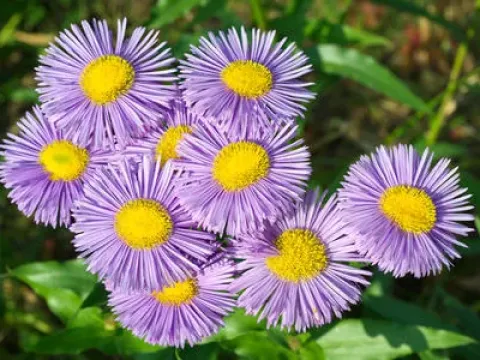
Erigeron hybridus
Erigeron hybrids
Erigeron hybridus is a popular herbaceous perennial belonging to the Asteraceae family. It is typically propagated through seeds or by dividing established clumps, which ensures the preservation of specific hybrid characteristics and uniform growth in nursery settings.
What the section contains
Erigeron hybridus
Sowing in containers should begin in early spring, ideally in March, using a well-draining soil mix. The seeds require light for germination, so they should be surface-sown and barely covered with a fine layer of vermiculite or soil to maintain adequate humidity without excluding light.
For outdoor sowing, the process can start in late spring once the danger of frost has passed. The soil temperature should be at least 15 degrees Celsius. Direct sowing requires a weed-free seedbed to allow the young seedlings to establish without intense competition for nutrients.
Transplanting seedlings to their permanent location is best performed when they reach 5-10 cm in height. Proper spacing is crucial to prevent crowding, which can lead to elongated, weak stems that are prone to lodging during heavy winds or rain.
Young plants benefit from initial protection from direct heat until their root systems are fully established. Regular monitoring of soil moisture during the first few weeks after sowing is the key factor in achieving high establishment rates for this crop.
This crop thrives in full sun, which is essential for producing high-quality blooms and maintaining compact, sturdy growth. While it may tolerate partial shade, insufficient light will result in diminished flower counts and increased susceptibility to fungal diseases.
Erigeron hybridus performs best in well-drained, sandy-loam soils with a neutral or slightly alkaline pH. It is highly sensitive to waterlogged conditions, which can quickly lead to root decay, so selecting a site with natural or improved drainage is a high priority for growers.
Watering requirements are moderate; the plant is relatively drought-tolerant once established but needs consistent irrigation during the peak summer months to maintain vigorous growth and extend the flowering period throughout the season.
Nutrient management involves applying balanced fertilizers in early spring to support rapid green growth, followed by a phosphorus-rich application during bud formation. Avoid excessive nitrogen, as it promotes foliage at the expense of floral development.
Mulching is a highly recommended practice to preserve soil moisture and suppress weed growth. Organic mulch, such as wood chips or straw, should be applied carefully around the base of the plant to avoid direct contact with the stems, which helps prevent rot.
Fungal infections, particularly powdery mildew, represent the primary threat to Erigeron hybridus cultivation. This disease often emerges in environments with high humidity and poor air circulation, necessitating wide spacing between individual plants to promote drying of foliage.
Root rot is a common issue caused by poor drainage or overwatering. Once root rot is established, it is difficult to treat, making preventative measures—such as proper soil preparation and careful monitoring of irrigation levels—the most effective strategies for long-term health.
Aphids are the most frequent insect pests, targeting the tender buds and young stems of the plant. They can be effectively managed with insecticidal soaps or horticultural oils, which are generally safe for the plant and effective at controlling early infestations.
Slugs and snails can cause significant cosmetic damage to the foliage, especially in wet seasons. Implementing physical barriers like copper tape or using traps is recommended to protect young plants during the sensitive establishment phase in the garden.
Sanitation practices are essential for disease control. Removing spent blooms and clearing away dead plant material at the end of the season reduces the wintering sites for pathogens and insect pests, ensuring a healthier start for the crop in the following growing season.