
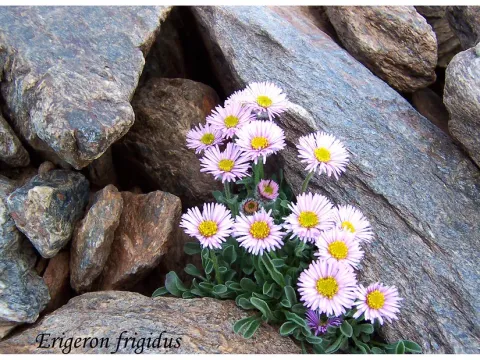
Erigeron frigidus
Erigeron frigidus
Erigeron frigidus, commonly known as cold fleabane, is a hardy perennial belonging to the Asteraceae family. This species originates from alpine environments, which has shaped its unique physiological adaptations to withstand cold temperatures and harsh climates.
What the section contains
Erigeron frigidus
In terms of soil requirements, this plant demands excellent drainage. It thrives in gritty, rocky, or sandy substrates that mimic its natural mountainous habitat. Compacted or moisture-retaining soils are unsuitable and often lead to root deterioration.
The species is a sun-loving plant that requires full exposure to direct sunlight. Insufficient light leads to etiolation, where the stems become weak and leggy, significantly reducing the aesthetic value and overall health of the plant.
Botanically, it forms a basal rosette of narrow leaves from which upright, flower-bearing stems emerge. These stems support small, daisy-like composite heads, which are the primary ornamental feature of the plant during its bloom cycle.
Its primary agricultural and horticultural use is in the restoration of alpine gardens and rockeries. The plant's ability to thrive in nutrient-poor but well-drained soils makes it an excellent candidate for sustainable, low-maintenance landscaping.
Root pathogens represent the most significant threat to Erigeron frigidus. In poorly drained soils, the plant is highly susceptible to damping-off and root rot, which are often fatal if not identified early.
Fungal diseases like powdery mildew can occur when humidity levels remain high for extended periods, especially in areas with poor airflow. Maintaining dry foliage and ensuring good ventilation is essential for disease prevention.
Insect pests, including aphids and thrips, can occasionally infest the flower heads during the growing season. Early detection and the application of insecticidal soaps or neem oil are generally sufficient to manage minor infestations.
Slug and snail damage is common in wetter climates, especially on young, tender growth. Protecting the base of the plant with coarse material like crushed granite or specialized barriers can effectively discourage these pests.
Vigilance is required to ensure that weeds do not compete with the plant for space and nutrients. Regular weeding is necessary to prevent the micro-environment from becoming too humid or shaded, which would invite disease.