
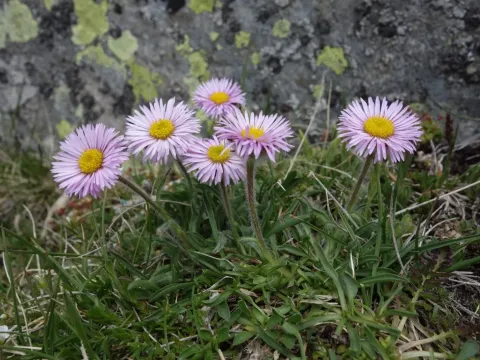
Erigeron aragonensis
Erigeron aragonensis
The propagation of Erigeron aragonensis is best achieved through seeds, which require a cold stratification period to break dormancy. Sowing should ideally take place in late autumn, allowing the seeds to experience natural winter temperatures before spring germination.
What the section contains
Erigeron aragonensis
For container sowing, use a gritty, well-draining mineral substrate that mimics its native rocky habitat. Scatter the seeds lightly on the surface, ensuring they receive enough light to trigger the physiological processes necessary for sprout emergence.
Maintaining a cool environment is essential for successful seedling development. Temperatures between 10 and 15 degrees Celsius are ideal, as higher temperatures can inhibit germination and cause the delicate seedlings to stretch excessively.
Once the seedlings develop at least two sets of true leaves, they should be carefully transplanted into individual pots. Using deep pots allows the taproot system to develop properly, which is crucial for the long-term survival of this species.
Acclimatization of the young plants to outdoor conditions should be gradual. Moving them to a sheltered spot before planting them in their permanent location helps them adjust to fluctuations in wind and UV light levels.
Erigeron aragonensis is a member of the Asteraceae family, uniquely adapted to the harsh conditions of high-altitude mountain cliffs. In cultivation, it demands a site that closely replicates these specific geological conditions.
Soil drainage is the most critical factor for success. The plant thrives in poor, rocky, or sandy soils with a neutral to slightly alkaline pH level. Any accumulation of moisture around the base of the plant is likely to cause crown rot.
Full sun exposure is non-negotiable for this species. Even partial shade can cause the plant to lose its compact, mounded shape, leading to etiolation and a significant reduction in the quantity and size of the flowers produced.
This species is well-adapted to drought, making it an excellent choice for xeriscaping or specialized rock garden projects. Once established, it requires minimal intervention, as it is efficient at extracting moisture from deep soil cracks.
Protection from winter humidity is essential in regions with damp climates. Providing a simple overhead cover or a layer of stone mulch around the root zone helps keep the plant dry and prevents frost damage during freezing cycles.
Fungal pathogens such as Botrytis and various root rots pose a significant risk if the soil remains too wet for extended periods. Improving airflow and drainage is the primary method for preventing these debilitating conditions.
Aphids can cause damage during the spring growth phase by clustering around the developing buds. These insects can be manually removed or treated with insecticidal soaps if the infestation becomes large enough to affect plant vigor.
Slugs and snails are notorious for feeding on the young leaves, especially in damp, shaded corners of the garden. Creating a gravel barrier around the plant is an effective way to discourage these pests from approaching the foliage.
Nutrient imbalances, particularly excessive nitrogen, can lead to soft, weak growth that is more susceptible to disease. The plant prefers lean, mineral-rich soils and does not benefit from regular fertilization.
Regular monitoring of the crown area is recommended to detect any signs of decay early. If localized rot is identified, removing the affected material and increasing the gravel mulch can often save the rest of the plant from infection.