
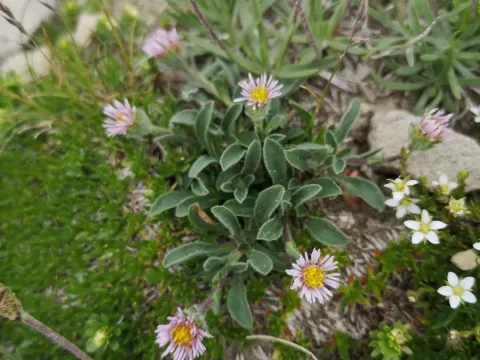
Erigeron epiroticus
Erigeron epiroticus
Erigeron epiroticus is a perennial herb belonging to the Asteraceae family. This species is recognized for its unique adaptation to mountainous ecosystems, making it a distinctive subject for specific agricultural and horticultural applications in rock garden settings.
What the section contains
Erigeron epiroticus
Native to the Balkan Peninsula, specifically the Epirus region of Greece, the plant has evolved to thrive in harsh, rocky environments. Its natural habitat consists of limestone slopes, where it has developed a high degree of resilience to environmental stress.
The success of this crop depends heavily on soil structure. A well-draining, gritty, or rocky medium is essential for long-term survival. Heavy soils that retain moisture for too long are detrimental, as they often lead to crown rot in the plant.
Regarding climate, Erigeron epiroticus requires high light exposure. It performs best in cool, airy conditions with moderate precipitation. It is highly resistant to cold, making it an excellent candidate for regions with sharp temperature fluctuations.
Standard agrotechnical practices for this species focus on minimizing disturbance. Low-intensity maintenance, including the removal of dead foliage after the growing season, is sufficient for healthy development. Fertilization should be kept to a minimum.
Fungal pathogens remain the primary threat to Erigeron epiroticus. Excessive humidity combined with poor airflow is a recipe for botrytis or root rot, which can quickly devastate a plot of these plants if not addressed immediately.
Insect pests such as aphids and spider mites may target the succulent leaves. These pests are most active during dry, hot spells and can be managed effectively with targeted biological controls or soaps during early infestation stages.
Soil-borne nematodes can pose a risk in certain regions, leading to stunted growth. Crop rotation and using sterilized substrates in nursery settings are effective ways to mitigate the risk of nematode infestation.
Weed control is critical during the establishment phase, as the plant is not a strong competitor. Using inorganic mulch, such as gravel or stone chips, helps suppress weeds while maintaining the required soil conditions.
Early identification of pest or disease symptoms is the key to maintaining a healthy plantation. Growers should regularly monitor leaf undersides and the soil surface to ensure any potential issues are caught before they spread.