
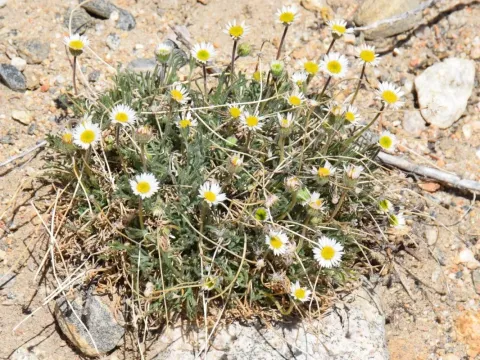
Erigeron compositus
Erigeron compositus
Sowing seeds of Erigeron compositus is recommended in late autumn for winter stratification or in early spring using nursery trays. The seeds have a high germination rate if provided with cold stratification to simulate the natural alpine environment.
What the section contains
Erigeron compositus
When sowing in spring, place containers in bright areas while avoiding direct sunlight during the first days after germination. It is crucial to maintain stable, moderate soil moisture until the seedlings develop their first true leaves.
Transplanting into open ground should occur after the danger of night frost has passed, although the plant is cold-hardy. An optimal spacing of 20–30 centimeters between plants ensures sufficient airflow and reduces the risk of fungal diseases.
Light rooting stimulants may be used to accelerate the development of young plants, though this species is known for vigorous growth in suitable soils. Avoid excessive transplanting, as the plant possesses a sensitive root system that can be damaged easily.
Following the sowing schedule ensures the plant forms a compact basal rosette in its first year, with flowering typically occurring in the second season. Using high-quality seed material guarantees the preservation of specific traits and high adaptability in garden settings.
Erigeron compositus belongs to the Asteraceae family and is a typical flora of North American mountain ranges. In nature, it inhabits rocky screes and slopes, which necessitates specific requirements for soil drainage.
The culture thrives in poor, loose, sandy, or stony soils with a neutral or slightly alkaline pH. Heavy clay soils are unsuitable, as standing water during winter leads to the inevitable rotting of the root system.
The plant requires maximum sun exposure and should be placed in open, sunny locations. Under shaded conditions, the flower stalks become elongated and lose their aesthetic appeal, while the plant becomes more susceptible to fungal infections.
Climatic preferences include moderate air humidity and cool summers. In hot climates, the plant benefits from being placed in a rock garden, where rocks help regulate soil temperature and keep the root zone cool.
General care includes regular weeding of the soil surface to prevent crust formation. Additional mulching with fine gravel or crushed stone around the root collar protects the plant from excessive moisture and overheating during the summer heat.
Root rot is the primary threat to Erigeron compositus, often caused by waterlogged soil. Prevention requires strict adherence to irrigation schedules, ensuring that water does not stagnate in the root zone.
In conditions of high air humidity, powdery mildew may develop, appearing as a white fungal coating on the leaves. Systemic fungicides are effective for control, alongside the removal and destruction of heavily infected plant parts.
Aphids and spider mites are common pests that feed on the sap of young shoots. Upon detecting the first signs of infestation, an application of a broad-spectrum insecticide during the cooler morning or evening hours is recommended.
Slugs and snails may damage delicate basal leaves after heavy rainfall. Protective barriers made of coarse sand or gravel around the planting site, as well as the use of traps, can effectively mitigate this damage.
Nematodes are potential pests that can stunt the plant's growth. To minimize these risks, crop rotation and the use of sterilized soil when raising seedlings in containers are essential agricultural practices.
The agricultural and decorative use of Erigeron compositus is focused on aesthetic value. Seed collection is conducted after the flower heads fully mature, turning a grayish hue and detaching easily from the receptacle.
Flowers intended for dried arrangements should be cut at the stage of full expansion, when the petals are at their stiffest. Drying should take place in a dark, well-ventilated room by hanging the stems upside down to preserve their shape and color.
When harvesting for cut flowers, use sharp shears to avoid bruising the tender stems. Regular deadheading of spent flower stalks encourages the development of new buds, extending the display period until the end of the summer.
Stored seeds must be cleaned of plant debris and kept in paper envelopes under low-humidity conditions. This maintains high germination viability for two to three years, supporting the long-term propagation of the crop.
In landscaping, the plant serves as a perfect accent for rock gardens and retaining walls. Autumn cleanup is optional, as the dried leaf rosettes often remain visually appealing even during the winter months under a layer of snow.