
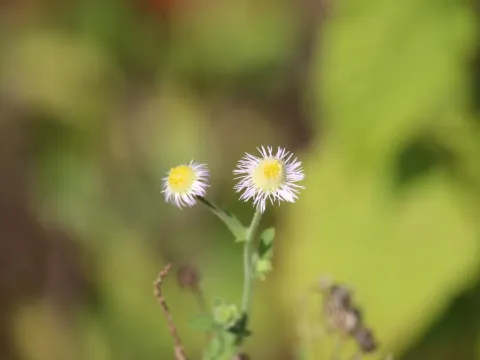
Erigeron asteroides
Erigeron asteroides
The sowing of Erigeron asteroides should be performed in early spring, once the soil has warmed up sufficiently to trigger germination processes.
What the section contains
Erigeron asteroides
Seeds are quite small and require shallow sowing; they should be lightly pressed into the soil surface to ensure they receive enough light to sprout.
For greenhouse cultivation, seeds are sown in trays during March to provide a controlled environment before transplanting them to the open field.
Transplanting into the permanent location should only take place after the risk of frost has completely passed, ensuring the plants establish well.
Standard spacing between individual plants should be at least 30 centimeters to allow for adequate airflow and reduce the risk of humidity-related issues.
Erigeron asteroides is a notable member of the Asteraceae family, valued for its adaptability and decorative appearance in various landscapes.
The plant thrives in sunny locations with well-draining, moderately fertile soil that maintains a neutral or slightly alkaline pH balance.
While the species exhibits a moderate level of drought tolerance, regular watering during the active growth phase is essential for optimal flowering.
Proper drainage is critical, as stagnant water around the roots can lead to physiological stress and increase susceptibility to fungal pathogens.
Applying balanced fertilizers in early spring supports healthy stem development and enhances the production of blossoms throughout the season.
Powdery mildew is a primary concern for this crop, particularly in dense plantings where air circulation is poor and humidity levels remain high.
Aphids and spider mites are common pests that target the foliage, necessitating regular monitoring and timely intervention with suitable insecticides.
Root rot caused by soil-borne fungi frequently affects plants in heavy, clay-rich, or waterlogged soils, hindering overall plant development.
Integrated pest management, including regular weeding and maintaining proper plant density, is highly effective in preventing disease outbreaks.
Professional growers should implement sanitation practices, such as removing affected plant debris, to minimize the spread of potential infections.
Harvesting for floral arrangements should be conducted during the early morning when the moisture content in the stems is at its peak.
When collecting seeds, allow the flower heads to fully mature and dry on the stalks at the end of the summer season before cutting them.
After harvesting, seeds must be thoroughly dried in a cool, well-ventilated area away from direct sunlight to preserve their long-term viability.
Once dried, the seeds should be cleaned of chaff and stored in airtight paper bags in a dry location until the next planting season.
Winter maintenance involves clearing away the dead vegetative matter to prepare the field and reduce the overwintering capacity of pests.