
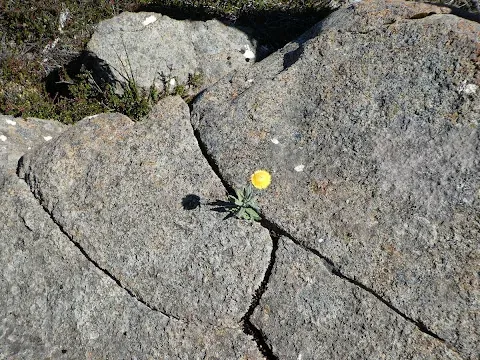
Alpine Billy Buttons
Craspedia alpina
Sowing of Craspedia alpina in temperate climates should begin in February or March, as this culture requires a relatively long vegetation period to reach maturity.
What the section contains
Alpine Billy Buttons
Seeds are sown into a light, nutrient-rich substrate; they should be covered only lightly with vermiculite to maintain essential surface moisture for germination.
Successful germination requires stable temperatures between 20–22°C and high-quality supplementary lighting to prevent the seedlings from becoming etiolated.
Pricking out the seedlings occurs at the two-true-leaf stage, transferring them into individual pots to ensure the development of a robust root system.
Hardened seedlings should only be transplanted to their permanent outdoor location once the risk of frost has passed and the soil has warmed sufficiently.
As a member of the Asteraceae family, Craspedia alpina demands high levels of direct sunlight and performs best in open areas without overhead shading.
The crop thrives in well-drained, sandy-loam soils with a neutral or slightly acidic pH, and it is crucial to avoid any stagnant water around the root zone.
While moderate irrigation is required for optimal growth, the species exhibits excellent tolerance to short, intermittent periods of drought once established.
Applying mineral fertilizers with a lower nitrogen ratio during the bud formation phase helps to strengthen stems and enhance the vibrancy of the inflorescences.
The plant is naturally adapted to high-altitude conditions, where intense solar radiation contributes to the dense, compact structure of its spherical blooms.
The primary threat to this culture is soil saturation, which frequently triggers root and stem rot caused by various soil-borne fungal pathogens.
High humidity levels may lead to outbreaks of powdery mildew, necessitating prompt fungicidal application and improved air circulation within the planting site.
Pest pressures often include aphids and spider mites, particularly when the plants are grown under protected cover or in greenhouse environments.
Integrated pest management, including the use of systemic insecticides, is recommended, provided that pre-harvest safety intervals are strictly observed.
Disease prevention is best achieved through rigorous crop rotation and ensuring the soil is free from undecomposed organic matter before planting.
Harvesting is performed when the flower heads are fully formed and the pollen begins to dust the surface of the golden spherical florets.
The stems are cut early in the morning after dew has evaporated, using sharp tools to ensure the longest possible stem length for floral arrangements.
For dried flower production, the stems are bundled and hung upside down in a dark, dry, and well-ventilated area to preserve their shape and color.
Proper drying techniques ensure that the signature spherical shape and intense yellow pigmentation remain intact for many months of decorative use.
Fresh-market product should be kept in water supplemented with professional-grade floral preservatives to maximize vase life and stem rigidity.