
Eirmocephala brachiata
Eirmocephala brachiata
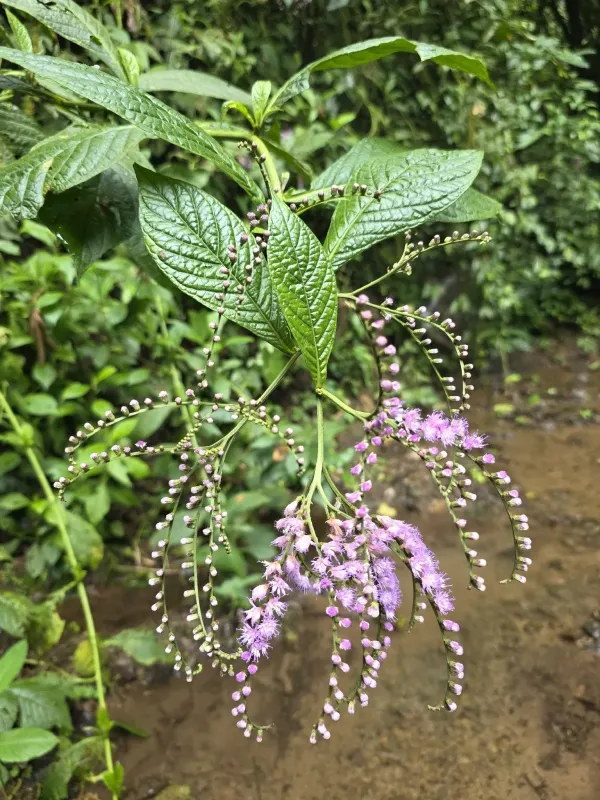
Description
Sowing dates
Eirmocephala brachiata belongs to the Asteraceae family. This species is native to South America, particularly regions within Brazil, where it thrives in varied tropical ecosystems as a herbaceous plant.
Sowing should be timed to coincide with the onset of the warm season, as the seeds require consistent temperatures for reliable germination. Planting in cold, damp soil significantly reduces the success rate of the crop.
Optimal planting depth is shallow, typically about 1-2 cm, allowing seeds to access surface warmth and moisture effectively. Proper row spacing is essential to ensure adequate airflow between mature plants.
Seedbed preparation requires fine soil tilth to minimize air pockets and ensure good seed-to-soil contact, which accelerates the initial development of the root system during the early stages.
The crop exhibits moderate growth vigor. Under favorable conditions, it establishes a healthy canopy quickly, which helps in suppressing competition from weeds that emerge simultaneously during the spring season.
Growing requirements
The cultivation of Eirmocephala brachiata requires well-drained, fertile soil with a neutral pH. The root system is sensitive to waterlogging, which often leads to rapid decay in heavy, clay-based soils.
Climatic requirements prioritize high sun exposure. As a photophilic species, it yields the best results in open fields with minimal shading, ensuring the plant reaches its full biomass potential.
Temperature management is crucial; the plant performs best in a warm, frost-free environment. Exposure to temperatures below 10 degrees Celsius can cause significant physiological stress and stunt growth.
Water requirements are moderate, but consistent moisture is preferred during the flowering stage. Irrigation should be managed carefully to avoid wetting the foliage excessively, which can trigger fungal growth.
Soil nutrient levels should be maintained through balanced fertilization. Incorporating organic matter before planting improves soil structure and provides a slow-release source of nutrients for the plant.
Main diseases and pests
Fungal infections are the most common threats to crop health, especially in high-humidity climates. Diseases such as powdery mildew can quickly reduce leaf area and overall photosynthetic capacity.
Pests, particularly aphids and mites, often target young shoots. These insects weaken the plant by extracting sap, and their presence can lead to secondary infections if not controlled in a timely manner.
Integrated pest management (IPM) practices are highly recommended. This includes the use of beneficial insects and targeted biological applications to keep pest populations below the economic injury level.
Proper weed control is essential to prevent competitive stress. Weeds serve as alternative hosts for various pests and diseases, making field sanitation a critical component of any agronomic management plan.
Crop rotation remains the most effective strategy to manage soil-borne pathogens. Avoiding monoculture for consecutive seasons helps break the life cycles of specific pests associated with the Asteraceae family.