
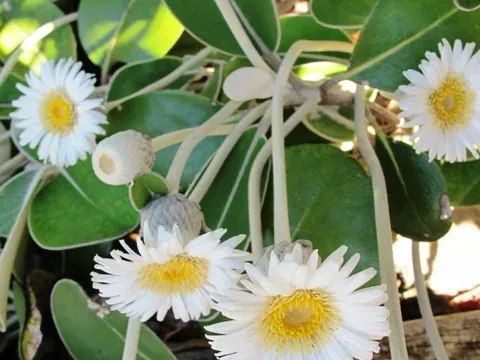
Pachystegia
Pachystegia
Pachystegia is a genus of evergreen shrubs belonging to the Asteraceae family. Native to New Zealand, these plants are primarily found in rocky, alpine, and coastal cliff habitats, which explains their unique structural adaptations to harsh, wind-swept environments.
What the section contains
Pachystegia
The plant is widely recognized for its thick, leathery leaves with a dense, white-to-felted tomentum on the undersides. This botanical feature acts as a protective layer, reflecting excess solar radiation and reducing transpiration, which is essential for survival in arid rocky soils.
Cultivation requires exceptionally well-draining soil, ideally of a rocky or sandy composition. It is imperative to avoid waterlogged conditions, as the root system of Pachystegia is highly sensitive to hypoxia and fungal decay when exposed to standing water.
In terms of climatic preferences, the plant thrives in areas with high solar exposure and cool to moderate temperatures. While it exhibits some tolerance for cold, it struggles in climates with excessive winter humidity combined with freezing temperatures, which often lead to tissue damage.
Agronomic management focuses on minimal intervention. Fertilizer application should be avoided or kept to an absolute minimum, as the plant is naturally adapted to nutrient-poor, mineral-rich substrates. Over-fertilization can result in weak stems that are prone to breakage and disease.
The most significant threat to Pachystegia is root rot (Phytophthora spp.), which is almost exclusively associated with improper irrigation management or heavy, non-draining soil types. Once symptoms of wilting appear, treatment is often difficult and rarely effective.
Powdery mildew represents a common foliage concern, particularly in greenhouse settings or sheltered spots with stagnant air. Maintaining proper spacing between specimens is crucial to ensure adequate airflow, which keeps the foliage dry and inhibits fungal spore germination.
Pests such as scale insects and spider mites can occasionally affect the plant during hot, dry spells. These pests colonize the undersides of the leaves, drawing sap and weakening the plant's overall health, requiring timely intervention with horticultural oils or specific insecticides.
Mechanical damage to the stems can act as an entry point for pathogens. Pruning should be kept to a minimum and performed only when necessary, using sterilized equipment to prevent the spread of bacteria and viruses into the woody tissues of the shrub.
Vigilance regarding soil surface moisture is key to success. Using a coarse gravel mulch can prevent the foliage from touching damp soil and minimize splash-borne infection, thereby protecting the lower leaves from early-stage blight and fungal leaf spots.