
Cineraria lyratiformis
Cineraria lyratiformis Cron
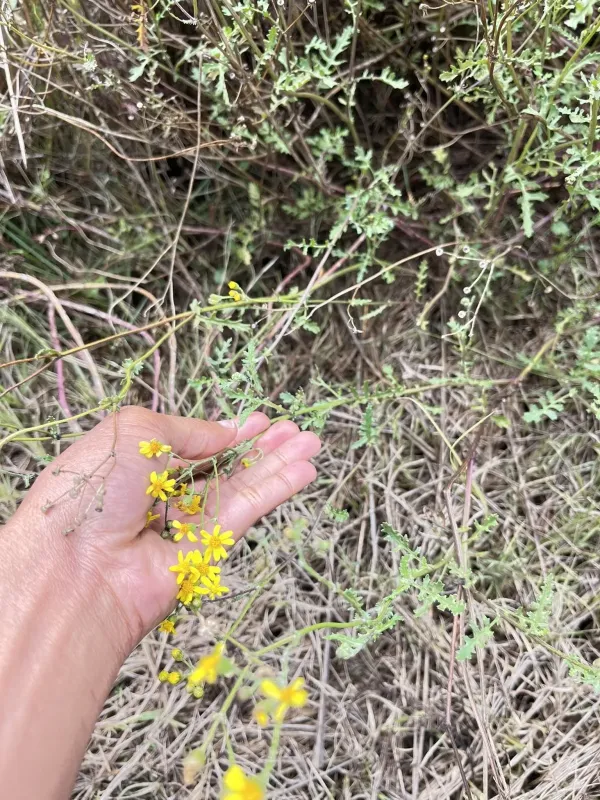
Description
Growing requirements
Cineraria lyratiformis (Cineraria lyratiformis Cron) is a noteworthy member of the Asteraceae family. Known for its distinct botanical structure, it serves as an ornamental crop requiring specific environmental conditions for optimal development.
Originating from the diverse habitats of Southern Africa, the plant has evolved to thrive in rocky environments. As a cultivated species, it requires careful management of its microclimate to simulate its natural growing conditions.
The crop demands well-draining soil with a high organic matter content. Preventing root zone stagnation is the most critical factor in soil management, as the species is highly susceptible to hypoxia and related fungal infections.
Climate requirements include a preference for cool to moderate temperatures. Excessive heat often leads to physiological stress, reducing the quality of the foliage and delaying the flowering stage of the plant.
Cultural practices include consistent moisture maintenance and light fertilization. Application of potassium-based nutrients helps to improve the overall resilience of the plant throughout the growing season.
Main diseases and pests
Common pests affecting this culture include aphids, whiteflies, and spider mites. These pests are particularly aggressive in warm, dry environments, necessitating constant field monitoring and early intervention.
The primary diseases threatening the crop are powdery mildew and Botrytis cinerea. High humidity levels without adequate air movement create ideal conditions for these pathogens to proliferate rapidly.
To mitigate these risks, farmers should focus on maintaining optimal plant spacing, which ensures sufficient air circulation and reduces the micro-humidity surrounding the plants.
Chemical control should be applied using selective products that minimize impact on beneficial organisms, while cultural practices should prioritize sanitation and residue removal.
Early detection of damage symptoms is crucial for preventing widespread outbreaks. Regularly inspecting the underside of leaves for signs of pest activity is a recommended agronomic practice.