
Cineraria saxifraga
Cineraria saxifraga DC.
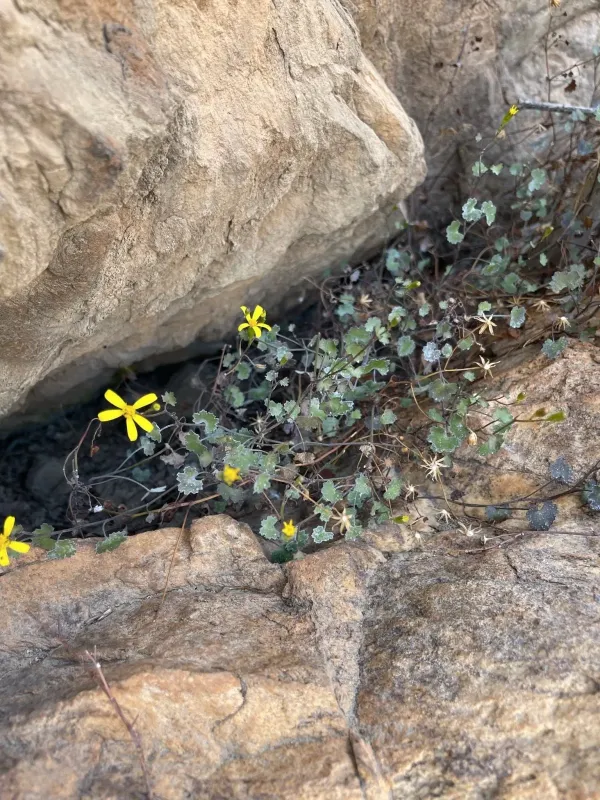
Description
Sowing dates
Cineraria saxifraga, belonging to the Asteraceae family, is typically propagated via seeds. Sowing should take place in late winter or early spring in a controlled greenhouse environment to ensure optimal germination rates.
The seeds require a light, well-draining substrate enriched with peat or coco coir and vermiculite. They should be sown on the surface and lightly covered, as they require a stable temperature of 18–20 degrees Celsius to initiate growth.
Seedlings need to be pricked out into individual pots once the first true leaves have developed. This step is crucial for establishing a robust root system and reducing transplant shock when moving the plants to their final destination.
A hardening-off period is essential before transferring the plants outdoors. Exposing them gradually to environmental conditions ensures that the tissue becomes more resilient to natural sunlight and fluctuating wind speeds.
Optimal planting time is after all frost risks have passed. Proper spacing is necessary to allow air to circulate between plants, which is a fundamental requirement for preventing moisture-related fungal diseases.
Growing requirements
Native to Southern Africa, this plant thrives in temperate conditions with high levels of natural light. It prefers fertile, well-aerated soil with a neutral to slightly acidic pH, mirroring its natural habitat.
Light intensity is a critical factor; while the species loves the sun, it performs best with protection from intense midday heat, which can scorch the foliage and reduce the vigor of the plant during the peak summer months.
Watering management should focus on maintaining constant but moderate moisture levels. Over-watering is the most common error in cultivation, as the roots are sensitive to waterlogging and low oxygen levels in the substrate.
Nutrient requirements are met through regular application of liquid fertilizers designed for flowering plants. During the active growing phase, feeding every two weeks ensures a balance of essential minerals and supports continuous blooming.
The plant is not frost-hardy, meaning it is often treated as an annual or a seasonal potted plant in colder climates. Bringing containers indoors during winter months can effectively prolong the lifespan of the species.
Main diseases and pests
The most significant threats to Cineraria saxifraga are aphids and spider mites, which exploit the nutrient-rich sap of the leaves. Integrated pest management using insecticidal soaps or neem oil is recommended for early intervention.
Powdery mildew is a prevalent fungal issue caused by high humidity and stagnant air. Keeping the foliage dry and ensuring adequate spacing between plants significantly mitigates the risk of infection by this pathogen.
Root rot, driven by excessive soil moisture, poses a major risk. To prevent this, producers should prioritize high-quality potting mixes with excellent drainage capabilities and ensure containers have ample holes at the bottom.
Whiteflies can also pose a problem in greenhouse settings. Sticky traps and systemic insecticide treatments are effective tools for monitoring and controlling populations before they reach economic threshold levels.
Sanitation practices are essential for successful cultivation. Removing dead or decaying plant material immediately helps prevent the accumulation of spores and insect eggs that could endanger the rest of the crop.