
Chuquiraga vagans
Chuquiraga vagans
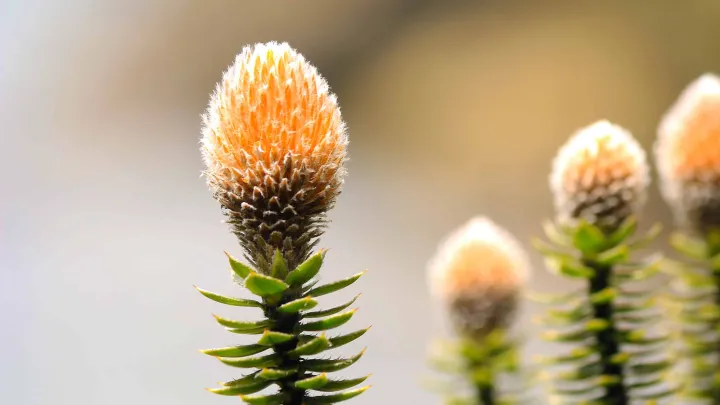
Description
Growing requirements
Chuquiraga vagans is a distinctive species within the Asteraceae family, native to the high-altitude regions of the Andes. This perennial shrub has evolved to thrive in environments characterized by extreme temperature fluctuations and high UV exposure.
Botanically, the plant is recognized by its sclerophyllous leaves and vibrant orange inflorescences. These structures are evolutionary adaptations designed to minimize water loss and attract specialized mountain pollinators.
For cultivation purposes, this species requires well-drained, gritty soils with low nutrient content. It is extremely sensitive to waterlogging, necessitating a location that allows for rapid drainage after precipitation.
The climate requirements include a cool, temperate environment where the plant can withstand freezing temperatures during the night. It is well-suited to regions that mimic high-elevation arid landscapes.
Economically, Chuquiraga vagans is valued for its potential in medicinal applications and its ability to stabilize fragile mountain soils. It remains an important species for ecological restoration in regions where other crops fail to establish.
Main diseases and pests
The primary threats to Chuquiraga vagans in its natural habitat are overgrazing by domestic livestock, which causes significant damage to the plant's structure and reproductive capabilities.
Pathogenic threats include soil-borne fungi that target the root system under conditions of high humidity or poor soil aeration. This is especially problematic in experimental settings with artificial irrigation.
Insect pests such as larvae that bore into the stems or flowers can significantly impact seed production, which is crucial for the natural propagation of the species.
Competition from invasive weeds poses a constant challenge for seedling survival. Without proper site management, juvenile plants may be outcompeted for available moisture and light.
Climate change is another critical threat, as altered precipitation patterns can interfere with the phenological timing of flowering, negatively affecting the plant's life cycle.