
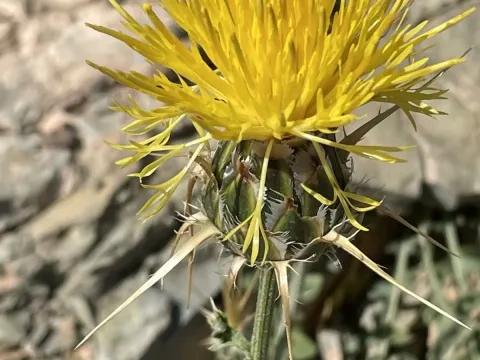
Centaurea pubescens
Centaurea pubescens
Centaurea pubescens is a resilient perennial plant belonging to the Asteraceae family, valued for its adaptability in arid agricultural environments.
What the section contains
Centaurea pubescens
The optimal sowing time for this crop is early spring, usually when soil temperatures reach stable levels above 10 degrees Celsius.
Seeds should be planted at a shallow depth of approximately 1 to 2 centimeters to ensure effective germination and to prevent desiccation of the embryo.
Standard row planting with a spacing of 40 centimeters is recommended for field-scale production to facilitate weed control and ensure sufficient light penetration.
In regions with milder climates, late autumn sowing can be performed, which allows for natural vernalization and ensures early development in the following season.
This species thrives in well-drained, sandy, or rocky soils, showcasing remarkable tolerance to low-nutrient conditions typical of its natural habitat.
Full sun exposure is a non-negotiable requirement for Centaurea pubescens, as shading results in weak, etiolated stems and significantly reduced growth.
The plant is highly drought-tolerant, making it an excellent candidate for sustainable agriculture in water-scarce regions or for soil stabilization purposes.
Excessive nitrogen fertilization should be avoided, as it often leads to succulent, disease-prone foliage rather than strengthening the plant's structure.
Soil pH levels should ideally range between 6.5 and 7.5 to support healthy nutrient uptake and optimal root development throughout the growing season.
Root rot is the primary threat to the crop, usually triggered by waterlogging and poor soil aeration, which stresses the plant's vascular system.
Foliar diseases, including powdery mildew, can occur in poorly ventilated plantings, requiring cultural adjustments rather than chemical intervention.
Aphids and spider mites are common pests that target the terminal buds, potentially reducing biomass and overall seed yield in seed-production plots.
- Monitor fields weekly during peak summer months.
- Implement mechanical weed control to remove alternative hosts for pests.
- Ensure adequate spacing to reduce humidity around the base of the plant.
Integrated pest management strategies focusing on early detection are essential to maintaining crop health without relying solely on synthetic pesticides.